From Fixed to Flexible: The Rise of Resimercial Hotel Design
The modern hotel guest wants more than just a place to sleep; they’re looking for spaces that allow them to work, rest, and be inspired. They don’t want rigid, clinical hotel rooms; they want the warmth of a luxury living room combined with the functionality of an office.
This demand is driving a noticeable shift in hospitality interiors, as hoteliers move away from rigid, fixed joinery in favour of versatile layouts. By combining loose furniture with the rise of resimercial hospitality design, modern hotels are creating adaptable, home-away-from-home environments.
Rosemary Aldous, Head of Innovation at Eclipse Furniture, says “Over the past few years we’ve seen the line blurring between hospitality and residential design. Our focus lately has been helping hotels break away from fixed layouts and inject personality and versatility into their venues."
We explore why flexibility is redefining the future of hotel design and how you can implement it in your own business.
What is Resimercial Design in Hospitality?
Resimercial hotel design is an interior design strategy that combines the warm, welcoming aesthetic of residential furniture with the high-durability standards required for commercial hospitality environments. This approach replaces cold, rigid fixtures with comfortable, agile spaces that feel like a luxury home. By balancing domestic comfort with contract-grade engineering, resimercial design creates spaces where guests can seamlessly relax, work, and socialise.
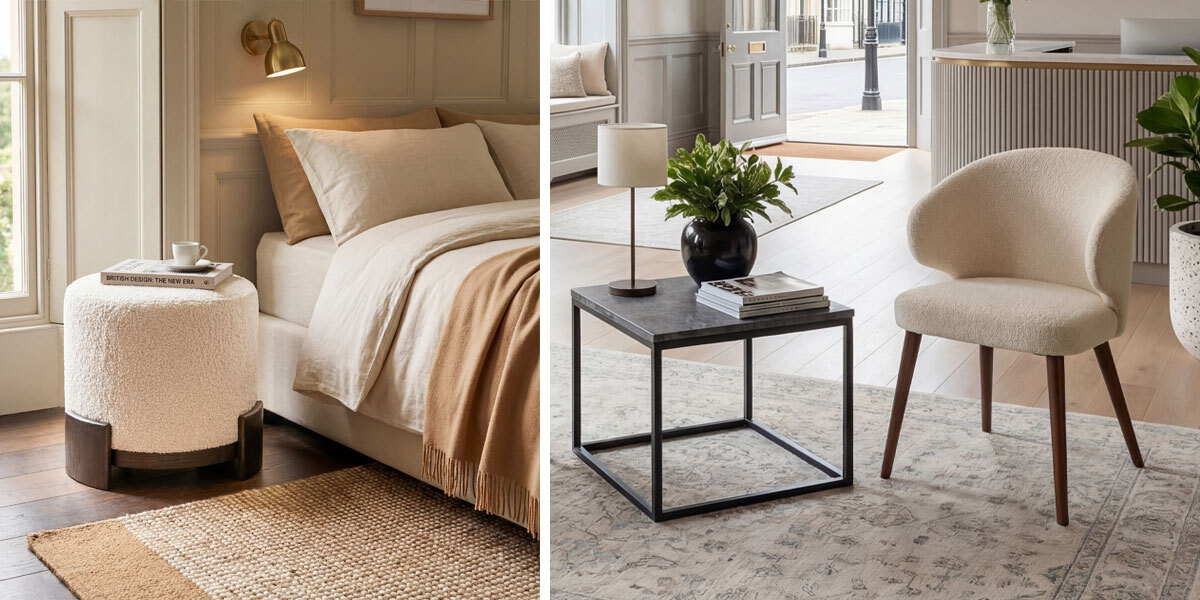
Key Characteristics of Resimercial Design
Tactile, Homely Fabrics: The use of inviting, tactile fabrics like bouclé, chenille, and soft leathers that evoke residential comfort while meeting strict commercial fire and rub-test standards.
Biophilic Elements & Warm Lighting: The integration of natural materials, indoor plants, and layered, ambient lighting to create a relaxing atmosphere and reduce guest stress.
Domestic Silhouettes with Contract Engineering: Furniture featuring soft, residential elements and elegant proportions that cleverly conceal heavy-duty, high-traffic structural engineering.
Flexible, Loose Furniture Layouts: A shift away from fixed, built-in joinery in favour of adaptable, modular loose furniture that allows spaces to be easily reconfigured.
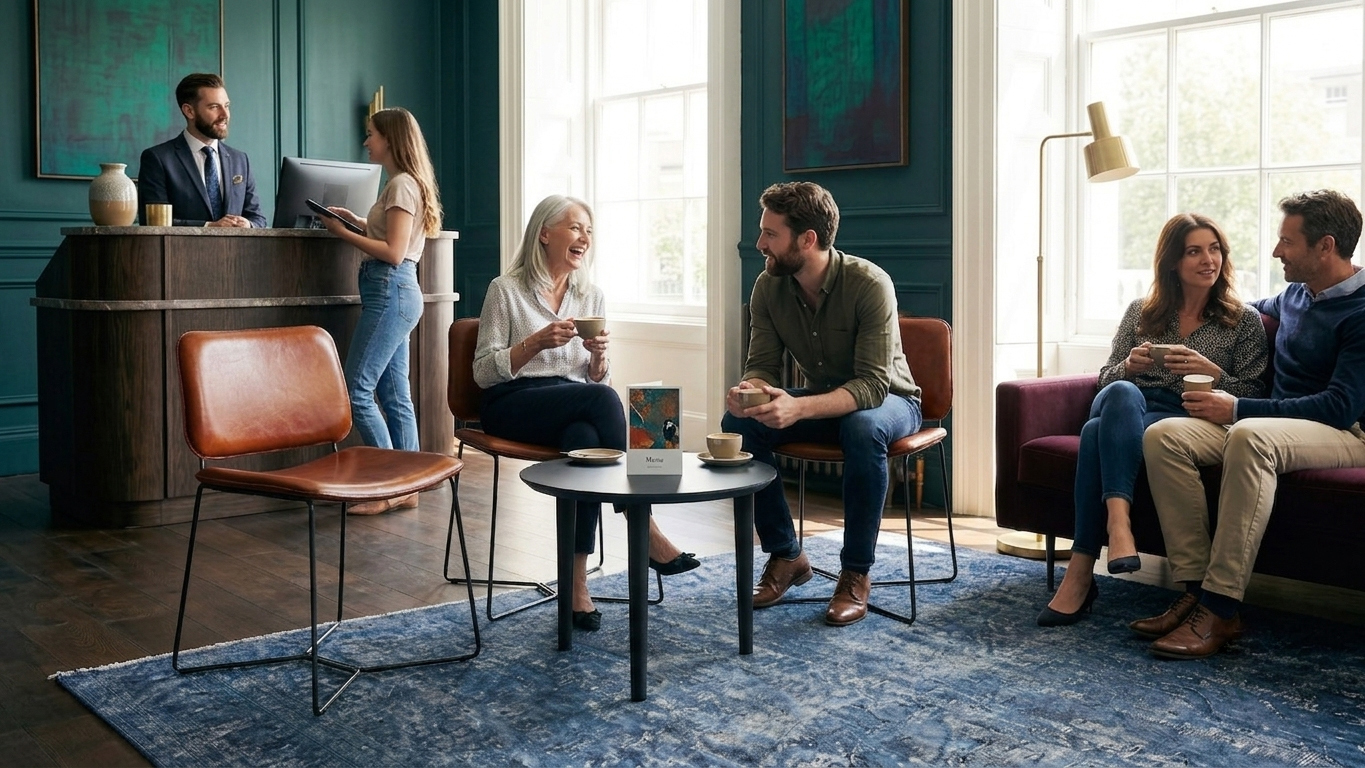
Why Hotels Are Switching to Loose Furniture
Alfie Whiteside, Bespoke Furniture Coordinator for Eclipse says “I’ve noticed for the last few years, when working on hotel projects, that the hotel brands and designers increasingly lean towards loose furniture solutions. Particularly for bedrooms, slimline, versatile pieces that offer more than one function are less costly and less susceptible to trend changes than traditional case goods."
Built-in desks and bolted-down seating limit a room's functionality, making it hard to update and expensive to repair. By using loose, modular furniture, hotels can easily transition a lobby from a daytime remote-work hub to a cosy evening relaxation space, or guests can quickly rearrange bedroom furniture to suit their needs.
Loose furniture means more cost-effective refurbishments; replacing a freestanding bedside table or lounge chair is significantly cheaper and faster than ripping out bespoke, fixed cabinetry or seating. It also means that housekeeping and maintenance teams can easily adapt or repair spaces without closing off entire areas of the hotel for days.
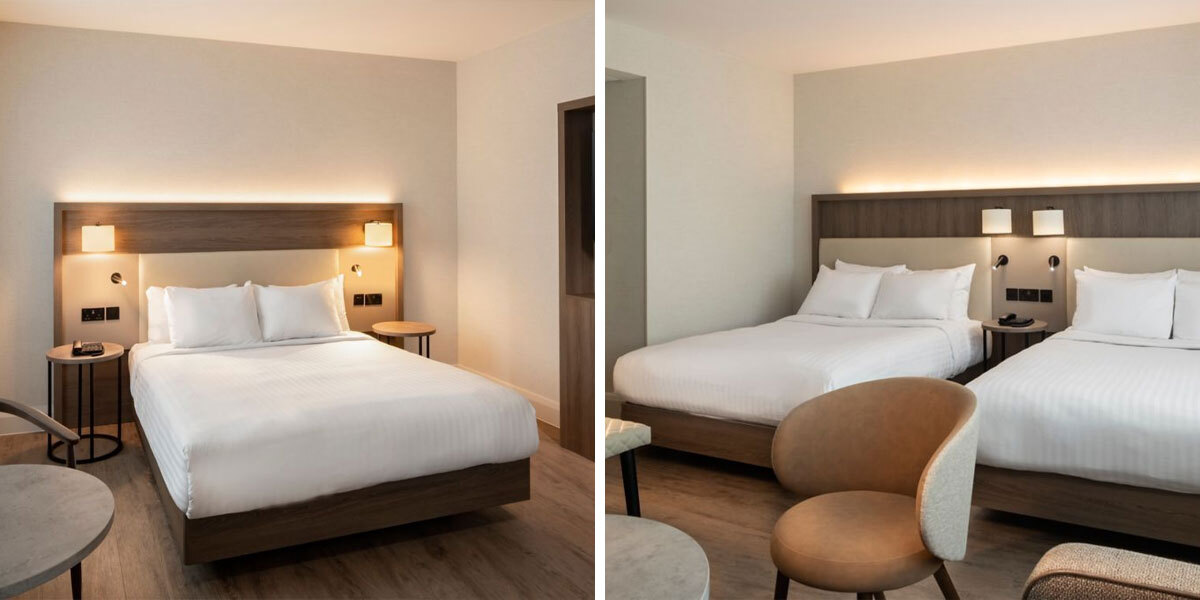
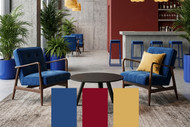
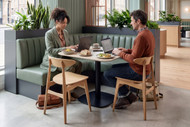
A recent project for Marriot NEC with interior designers Bell & Swift.
How to Balance Residential Style with Commercial Standards
It’s important to note that resimercial design does not mean buying high-street domestic furniture. Home comforts are one thing, but resimercial pieces for hospitality venues must still meet strict contract-grade standards, specifically Crib 5 (BS 5852) fire regulations for upholstered seating and BS EN 16139 for strength and durability.
Furniture might look like it comes from a high-end designer residence, but fabrics should be durable and stain-resistant smart fabrics, frames should be robust and engineered to withstand constant use, and table tops should be beautiful but tough, impact resistant and low maintenance.
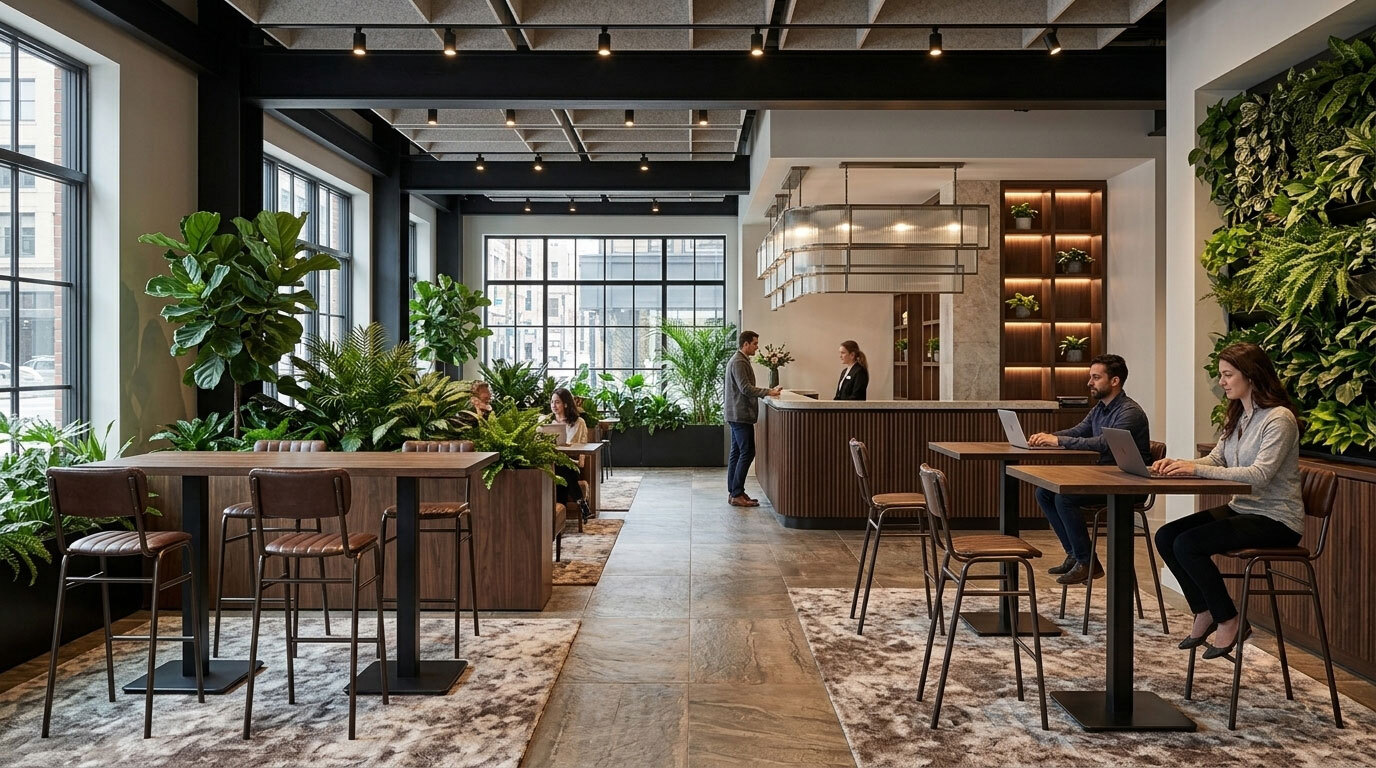
How to Implement Flexible, Resimercial Spaces
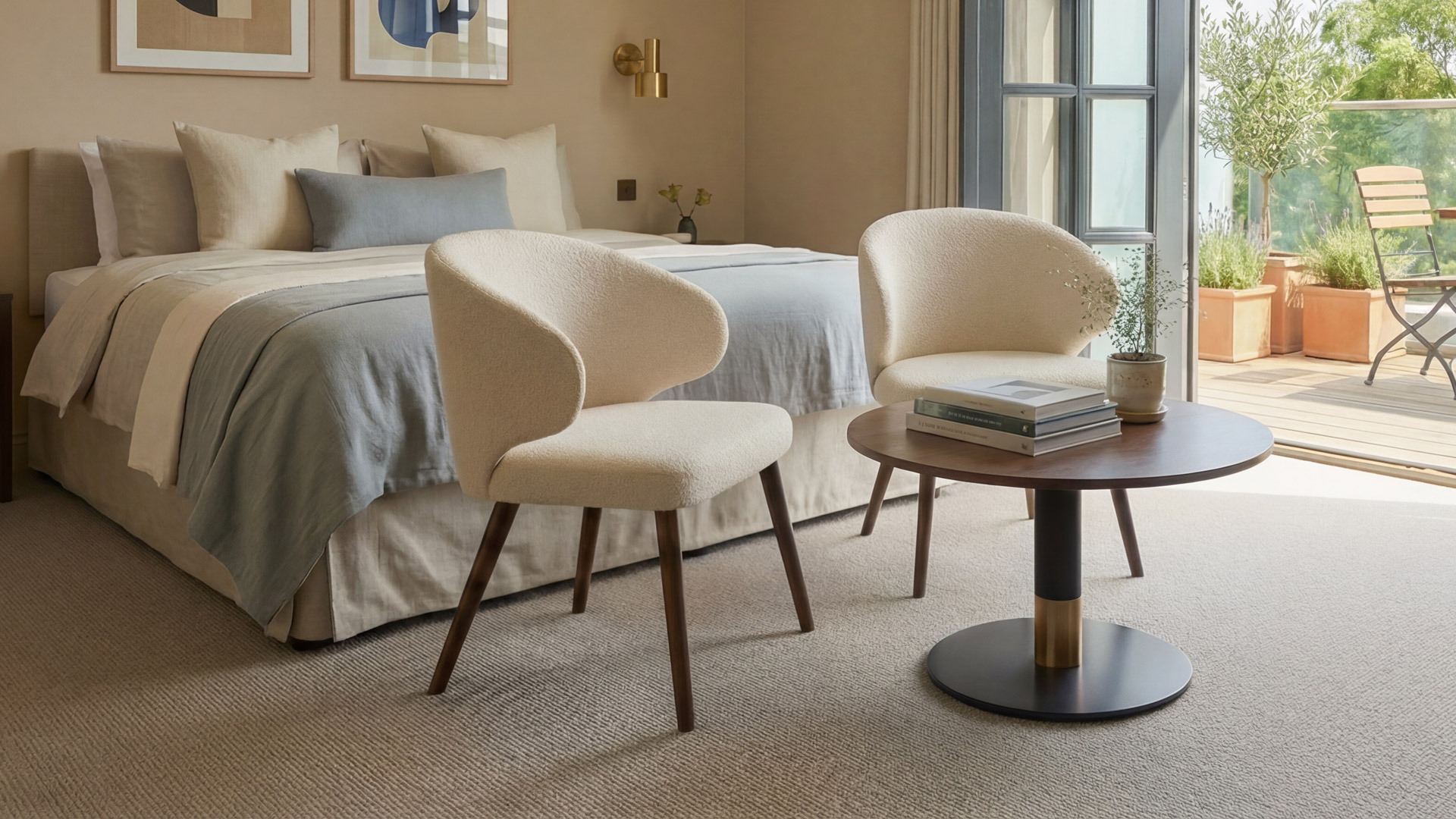
The Guest Room: Swap traditional bolted-down desks and bedside tables for loose, multi-use tables. Stylish upholstered chairs can be used for relaxing and unwinding or for quiet, comfortable working.
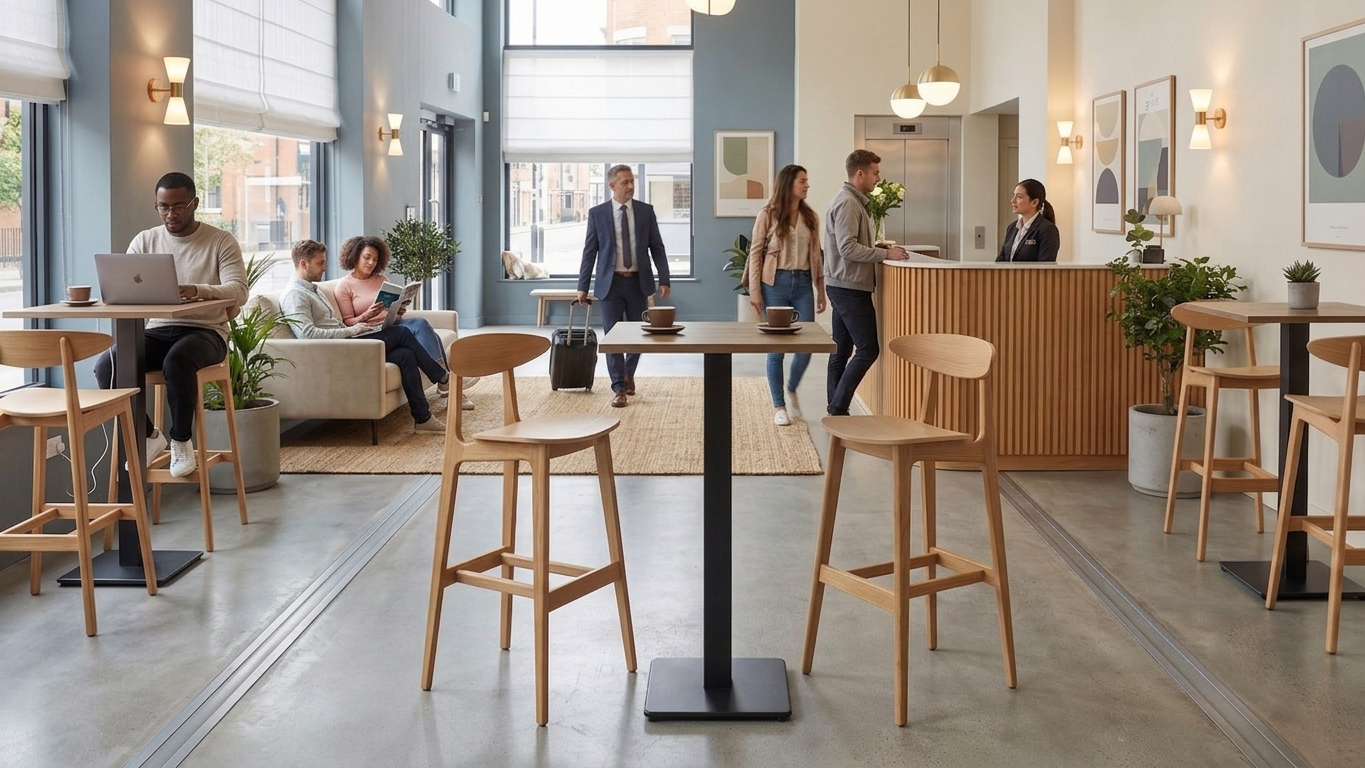
The Lobby: Create zones using loose sofas, acoustic screens, and modular coffee tables that can be rearranged for events or meetings. Bar-height furniture is a versatile choice that can be used for co-working during the day and socialising in the evening.
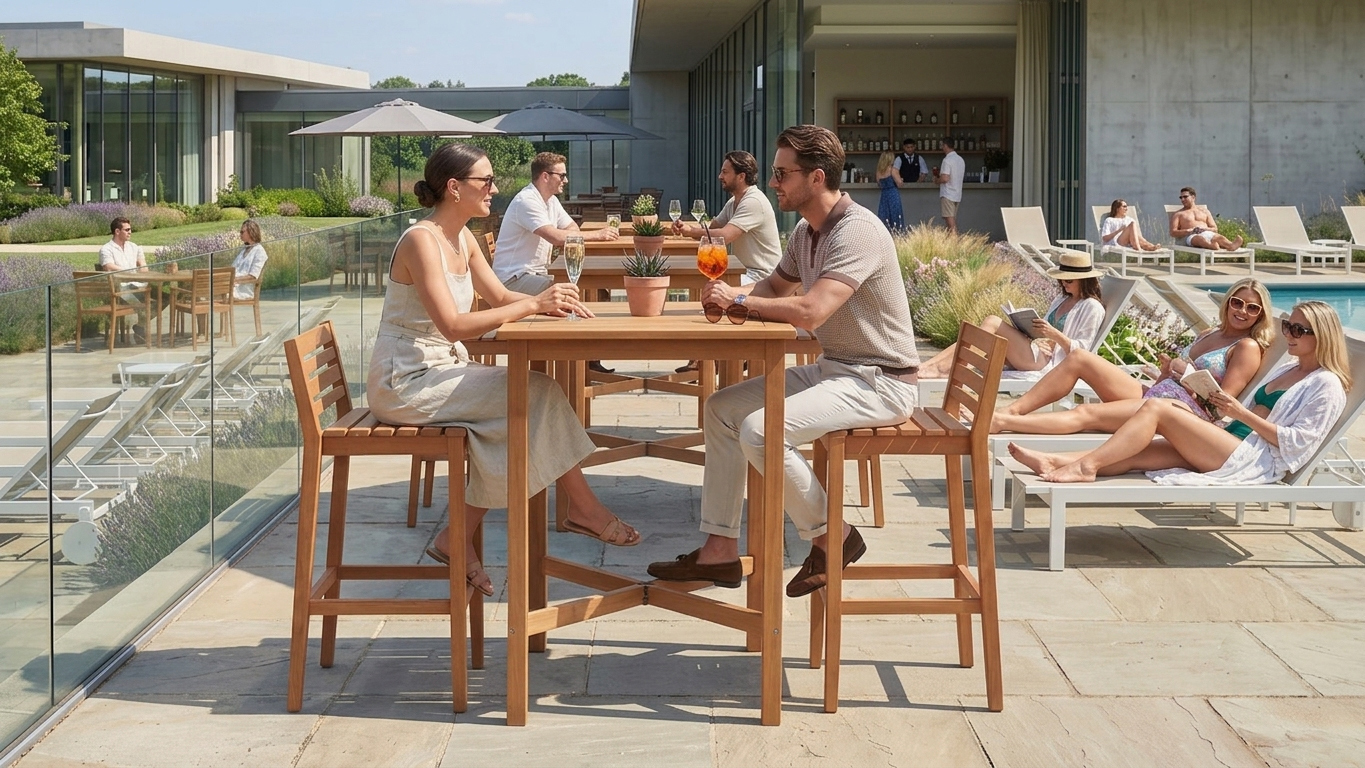
The Outdoor Terrace: Choose high-quality, loose outdoor furniture to blur the lines between interior lounges and alfresco terraces. Natural materials and biophilic design, indoors and out, will create a smooth transition and a sense of relaxation and comfort.
Let Eclipse Furniture Help You Create Inspiring Spaces
The future of successful hotel design lies in creating flexible, welcoming, and adaptable spaces.
The UK 'bleisure' market (a combination of business and leisure) is growing by 13.4% annually, meaning 40% of hotel guests are now looking for spaces that seamlessly blend work and leisure. Specifying premium, loose resimercial-style furniture is the ultimate way to future-proof your hotel and secure a boutique design premium.
At Eclipse Furniture we have over 40 years of experience in helping hospitality businesses make the most of their spaces, and our stylish range of contract grade loose furniture offers the perfect balance between boutique style and commercial durability. We can also offer custom and bespoke furniture solutions that will give your hotel a unique look.
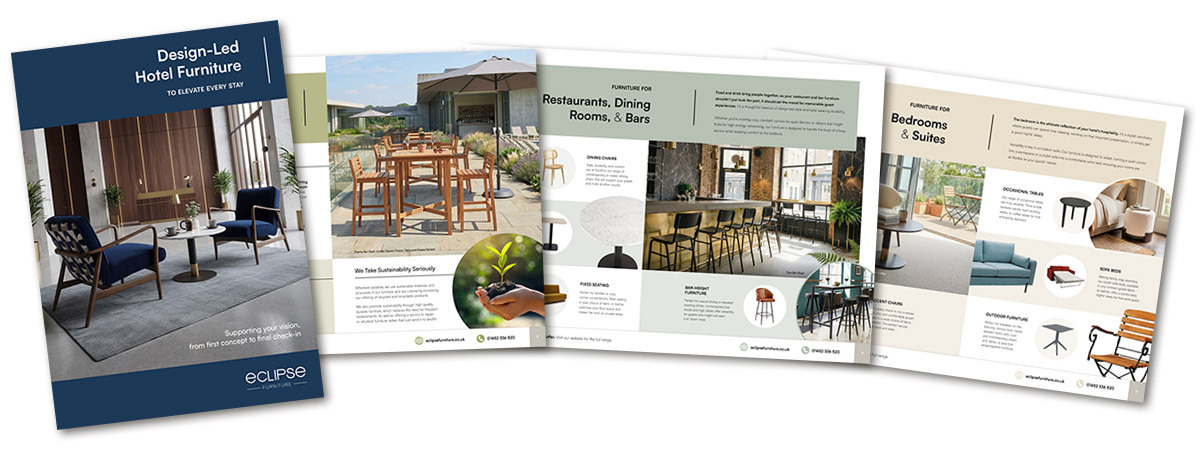
Browse our Hotel Furniture Lookbook
Take a look at our Hotel Furniture Lookbook and discover how we work with hotel clients, a showcase of the types of spaces we can furnish and our collaborative, partnership-led approach. We're here to support projects from first concept to final check‑in.
Book a Complimentary Consultation
Our dedicated team are ready to help, advise, and answer any questions you may have about hotel furniture. Let us help you to create inspirational spaces and bring your vision to life.
Call: 01452 336 520
Email: sales@eclipsefurniture.co.uk
FAQs
What is the difference between residential furniture and 'resimercial' hotel furniture?
While resimercial design mimics the warm, inviting aesthetic of a luxury home, it is a major mistake to use high-street domestic furniture in a commercial venue. True resimercial hotel furniture features residential silhouettes but is backed by contract-grade engineering. This means it is constructed with robust frames and stain-resistant smart fabrics designed to withstand heavy-traffic use, while strictly adhering to commercial safety regulations like Crib 5 (BS 5852) fire standards and BS EN 16139 for strength and durability.
Why are modern hotels moving away from fixed joinery and traditional case goods?
Rigid, built-in desks and bolted-down seating heavily limit a room’s functionality, making spaces difficult to update and expensive to repair. Hoteliers are increasingly swapping traditional case goods for flexible, loose furniture because it is more cost-effective to maintain and allows spaces to adapt to shifting guest needs. Freestanding, multi-use pieces mean housekeeping and maintenance teams can easily repair or replace items without needing to close off entire areas of the hotel for days.
How can flexible commercial furniture help optimise a hotel revenue?
With the UK "bleisure" market growing rapidly, a significant percentage of guests now require spaces where they can seamlessly transition between remote work and leisure. By using modular, loose furniture - such as versatile bar-height tables, loose sofas, and movable acoustic screens - hotels can effortlessly adapt their public areas throughout the day. This allows a lobby to function as a bustling, collaborative co-working hub during the day and easily transform into a cosy, social relaxation space in the evening.