In the world of contract and commercial furniture for hospitality venues, fire safety isn’t just a recommendation, it’s a legal necessity. In a crowded restaurant or hotel, furniture needs to be able to withstand a significant flame for long enough to allow for a safe evacuation. It isn’t about being fireproof, it’s about buying time.
While domestic furniture follows the 1988 Furniture and Furnishings (Fire Safety) Regulations, contract and commercial furniture fall under the Regulatory Reform (Fire Safety) Order 2005 (RRFSO).
Here is the breakdown of what is required, what the codes mean, and the common myths.
What is Legally Required for Commercial Venues?
The RRFSO places the burden of proof on the ‘Responsible Person’ (the business owner or building manager). Unlike domestic furniture, which must have a specific fire label by law, contract furniture doesn’t strictly require a label, but it must meet specific safety standards to pass a fire risk assessment.
The Gold Standard: BS 7176. This is the primary British Standard for the ‘Ignitability of Upholstered Seating.’ It categorizes environments into different hazard levels:
- Low Hazard: Offices, schools, museums. (Requires Cigarette & Match tests).
- Medium Hazard: Hotels, restaurants, pubs, boarding houses. (Requires Crib 5).
- High/Very High Hazard: Prisons, psychiatric hospitals, offshore platforms. (Requires Crib 7).
What is Crib 5?
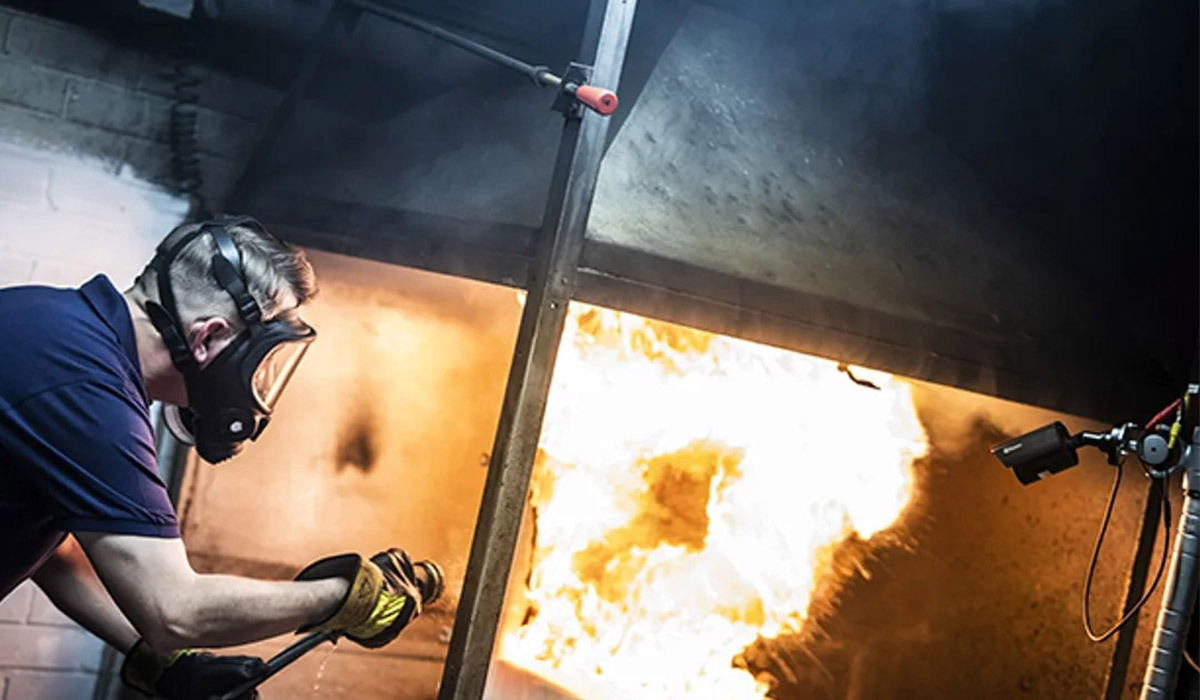
Crib 5 (Ignition Source 5) refers to a test where a small wooden structure (that looks like a miniature ‘crib’) is placed on the furniture and ignited. The Crib 5 test (BS 5852) is a mandatory UK fire safety standard for interior contract upholstery in commercial settings like hotels, restaurants, and pubs that are classified as ‘Medium Hazard.’
It involves placing a burning 5-tier wooden crib on furniture to ensure fabrics, foam, and interliners stop flames within 10 minutes, ensuring high fire resistance.
- What it covers:It is the standard for contract furniture and is essential for commercial environments to comply with UK fire regulations.
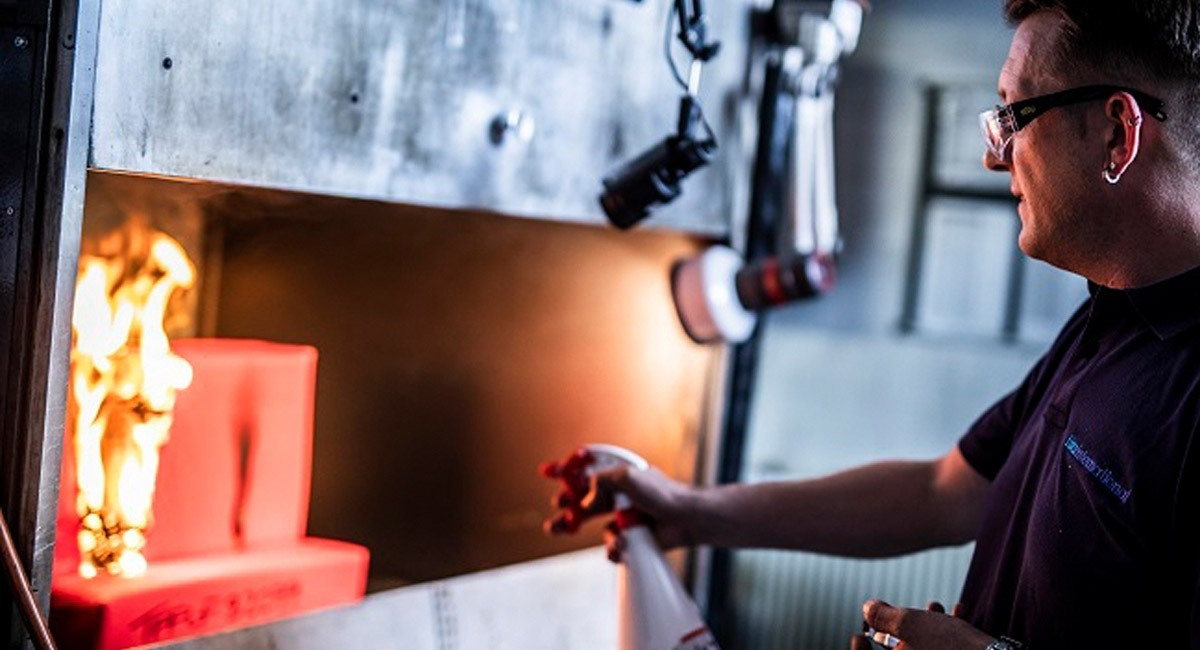
- The Process:A wooden ‘crib’ structure is soaked in alcohol, placed on the upholstery, and lit with a match.
- Pass Criteria:The furniture must not flame for more than 10 minutes, show intense fire spread, or produce excessive smoke after ignition.
How FIRA test flammability in their UK lab
What are the legal consequences if contract furniture is not Crib 5 tested?
Non-compliance can come with a high cost, not only in terms of guest safety, but also legally. In the UK, failure to meet Crib 5 standards carries heavy penalties under the Regulatory Reform (Fire Safety) Order 2005:
- Unlimited Fines: Courts can impose uncapped financial penalties for serious fire safety breaches.
- Prison Sentences: The ‘Responsible Person’ (owner or manager) can face up to 2 years in prison for criminal negligence.
- Voided Insurance: Most insurers will refuse to pay out any fire-related claims if your furniture is found to be non-compliant.
- Immediate Closure: Fire Officers have the power to issue Prohibition Notices, shutting your doors to the public until the furniture is replaced.
How do I know if my furniture meets crib 5 requirements?
Certification for crib 5 is awarded by a relevant regulatory body, such as FIRA, to the manufacturer of the furniture. But knowing if your furniture is compliant isn't always as simple as looking for a ‘Crib 5’ sticker. Because contract furniture doesn't have the same mandatory ‘swing tag’ laws as domestic furniture, there are other ways to verify whether your furniture meets the requirements:
- Choose a trusted supplier:At Eclipse Furniture we ensure that any fabric that is part of indoor upholstered furniture is Crib 5 certified.
- Verify the foam type (CMHR): CMHR (Combustion Modified High Resilience) foam is specifically engineered for the contract market to be self-extinguishing – it contains fire-retardant additives that make it much harder to ignite than standard domestic foam. If your furniture uses standard polyether foam, it almost certainly won't pass a Crib 5 test.
Class 0 and Class 1 (The Building Ratings)
At Eclipse Furniture, we sometimes get asked about Class 0 and Class 1 ratings with regards to commercial furniture. This is a common point of confusion in the industry. While Crib 5 is about how furniture reacts to a flame (ignitability), Class 0 and Class 1 are about how a surface allows fire to travel across a room (flame spread). In the UK, these ratings are primarily applied to building regulations and refer to surface spread of flames across wall and ceiling linings.
Class 1 - Surface Spread of Flame: This rating measures how quickly a flame travels across the surface of a material. To get a Class 1 rating, the material must effectively slow down the fire's journey. For example, a standard piece of timber might fail this, but timber treated with a fire-retardant clear coat or ‘FR varnish’ can achieve Class 1.
Class 0: The Superior Rating: To be Class 0, a material must pass the Class 1 test AND pass a test for ‘low heat release’ (BS 476 Part 6). This means the material doesn't just stop the fire from spreading; it also doesn't add significant fuel/heat to the fire. For example, non-combustible materials like plasterboard, brick, and concrete are naturally Class 0.
When are these ratings appropriate for commercial furniture?
Usually, you don't need to worry about Class 0 or 1 for loose furniture. However, there is a scenario where commercial furniture may need this certification:
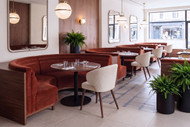
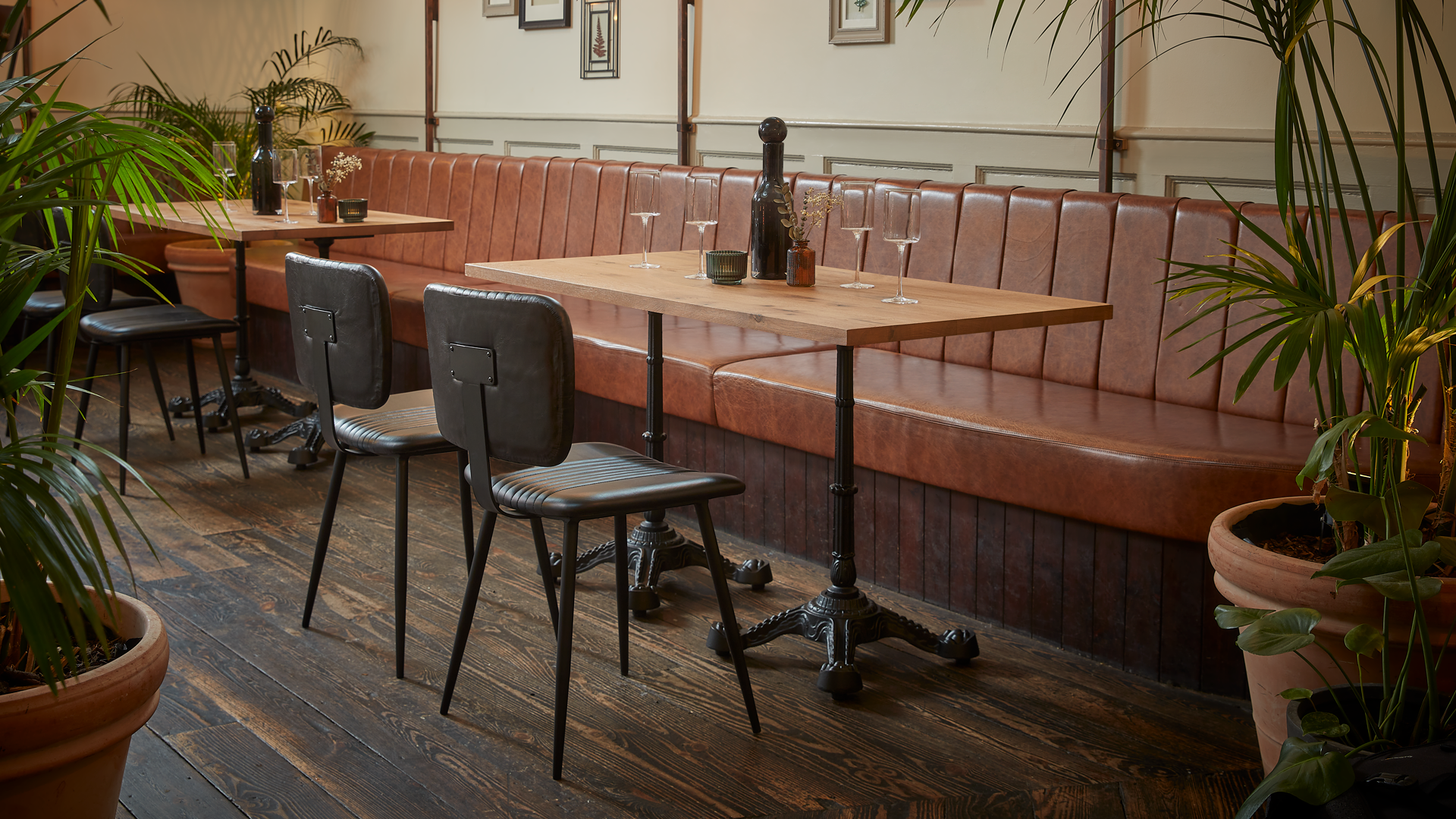
Fixed Seating: If you are installing long runs of fixed banquette or booth seating that are attached to the walls, a Fire Officer may categorize them as ‘wall linings’ rather than furniture. If the seating covers a significant portion of the wall, the back of that seating must often meet Class 1 (to prevent fire racing up the wall) or Class 0 (if it's in a critical escape route like a hallway).
If you are unsure whether the commercial furniture that you are purchasing will need this certification or not, our expert team can help.
Checklist for Fire Certifications
Before purchasing or specifying commercial furniture, make sure you’ve thought about these important points:
- Domestic vs. Contract: Domestic furniture is ‘Source 0 & 1’ (Cigarette & Match). Contract furniture is usually ‘Source 5’ (Crib 5).
- Whose Responsibility? The ‘Responsible Person’ (the buyer/owner) must ensure the furniture is fit for the building's hazard level.
- The Paperwork: FR certificates are vital during a fire inspection and in case of any insurance claims.
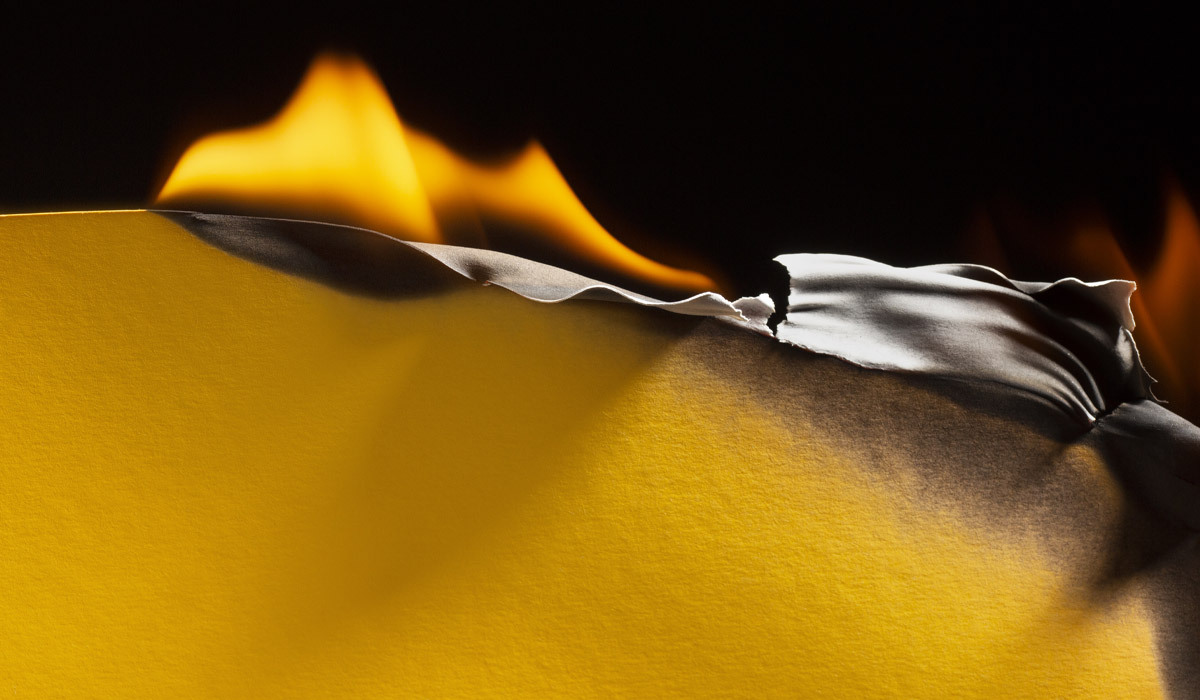
- The Myth: ‘Fire Retardant’ does not mean ‘Fire Proof.’ Everything will burn eventually; these ratings are designed to give guests and staff enough time to evacuate a commercial venue.
Need Some Help?
For more information on industry certification, details about any of our products, or to book a visit to our, give us a ring on 01452 336 520 or email sales@eclipsefurniture.co.uk. We can arrange a complimentary consultation to answer any questions that you have and help you choose the perfect commercial furniture for your venue.
FAQs
Does my contract furniture need to have physical fire labels attached to it?
Unlike domestic household furniture, which must have specific fire safety labels attached by law, contract furniture does not strictly require a physical label or swing tag. However, you must still be able to prove compliance. The legal burden of proof falls on the business owner or building manager (the ‘Responsible Person’), meaning you must keep digital or hard copy of relevant test certificates on hand to pass a fire risk assessment.
Can I just buy Crib 5 fabric and use it over standard foam?
No, contract furniture typically requires specialised self-extinguishing CMHR (Combustion Modified High Resilience) foam. If you use standard domestic polyether foam, it almost certainly will not pass a Crib 5 test.
When does commercial furniture need a Class 0 or Class 1 rating instead of Crib 5?
Generally, you do not need to worry about Class 0 or Class 1 ratings for loose, freestanding furniture. These ratings apply to building regulations regarding how fire spreads across wall and ceiling linings. However, if you are installing long runs of fixed banquette or booth seating that attach directly to the walls, a Fire Officer may categorize them as wall linings. In that specific scenario, the backs of the seating may need to meet Class 1 (to prevent fire racing up the wall) or Class 0 (if placed in a critical escape route like a hallway).