Whether your guests are enjoying expertly crafted cocktails or unwinding with a well deserved beer, they'll be familiar with a commercial furniture staple: the bar stool.
But are you aware that beyond the standard bar-height options, there's also versatile mid-height furniture? What exactly is the difference, and why should you consider offering both to enhance your customer experience and venue design?
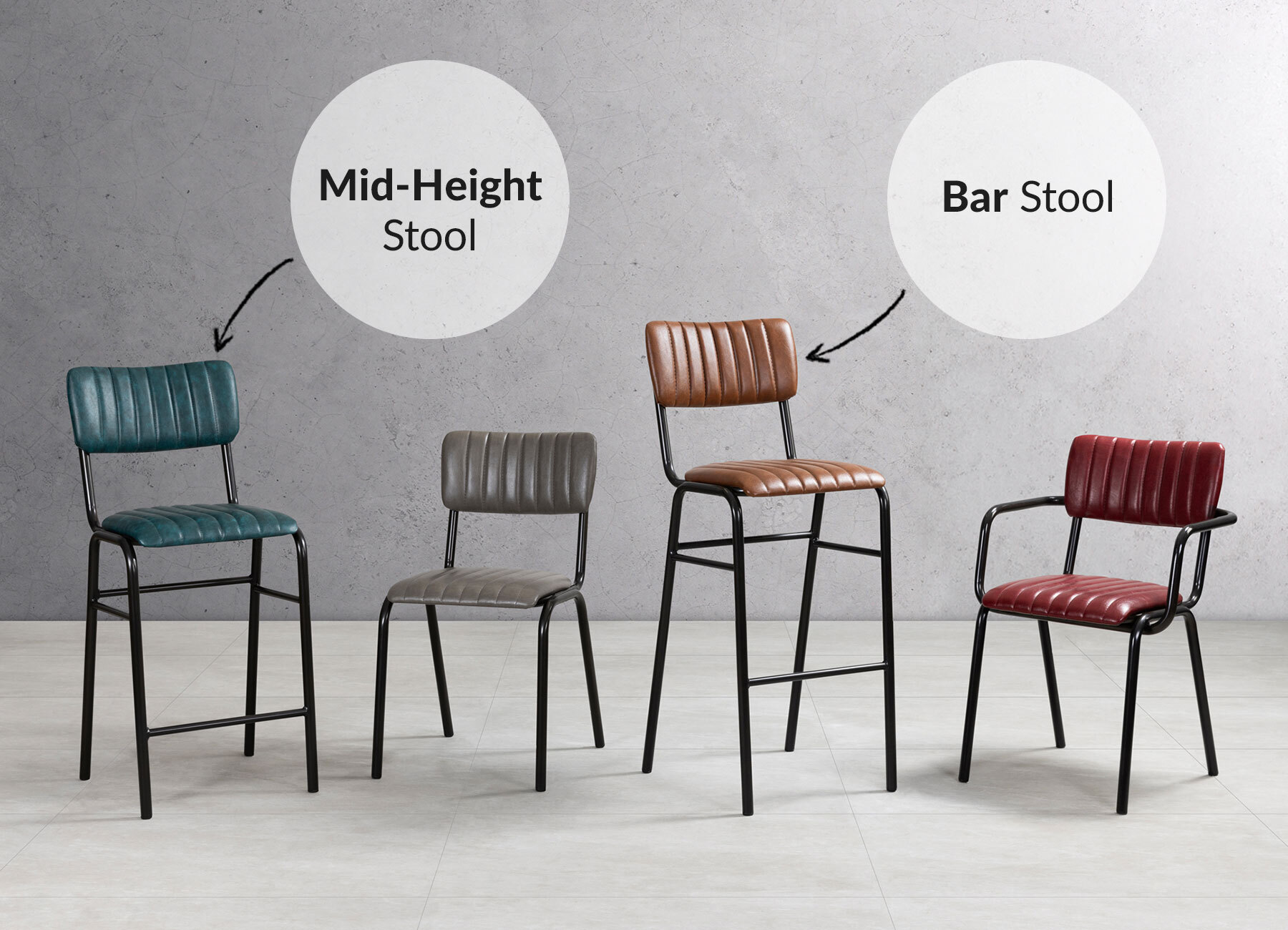
Shown here: Tavo Mid-Height Stool, Tavo Side Chair, Tavo Bar Stool, Tavo Armchair
Bar-height vs mid-height
The main differences between these furniture types lie in their seat height and intended use within your venue.
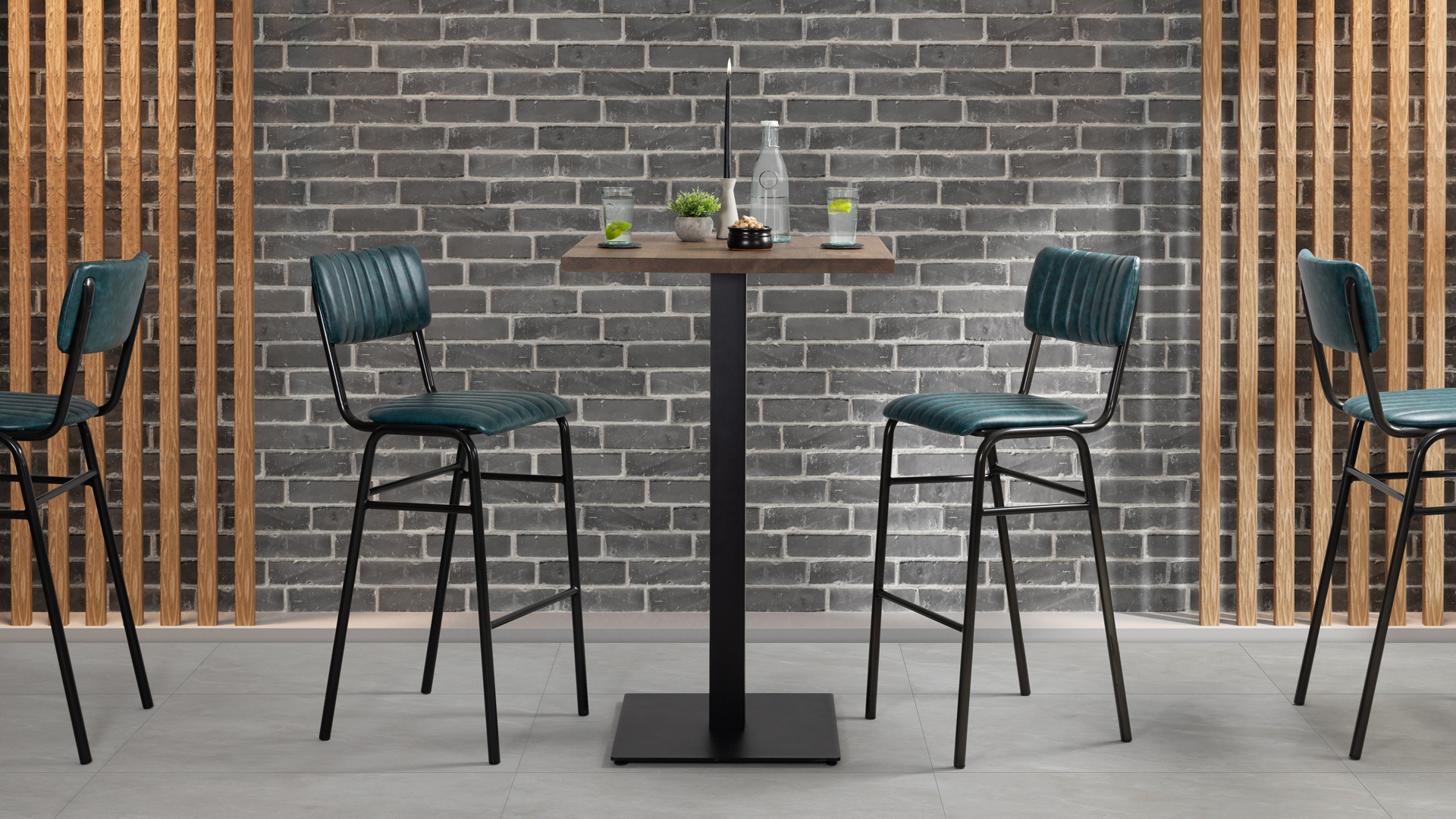
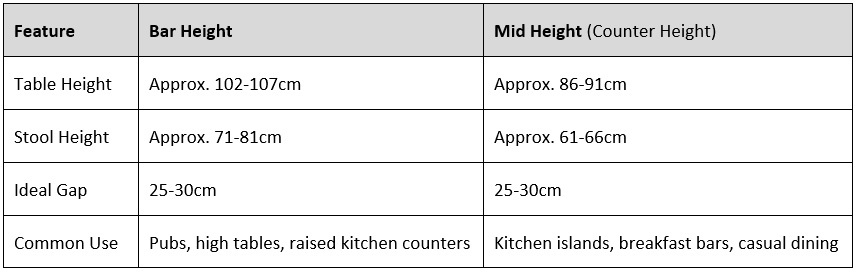
• Bar-height stools and tables: Designed with a taller seat, bar stools pair perfectly with the elevated surfaces of your bar areas, high-top tables, or communal standing sections. The corresponding bar tables are approximately 25-30cm higher than the stool seat, creating that classic elevated social and dining experience.
• Mid-height (counter) stools and tables: Featuring a lower seat and often a more compact design, mid-height or counter stools are ideal for standard countertop heights, breakfast bars, or lower communal tables. Their accompanying tables follow the same 25-30cm height difference, offering a more relaxed and accessible seating option.
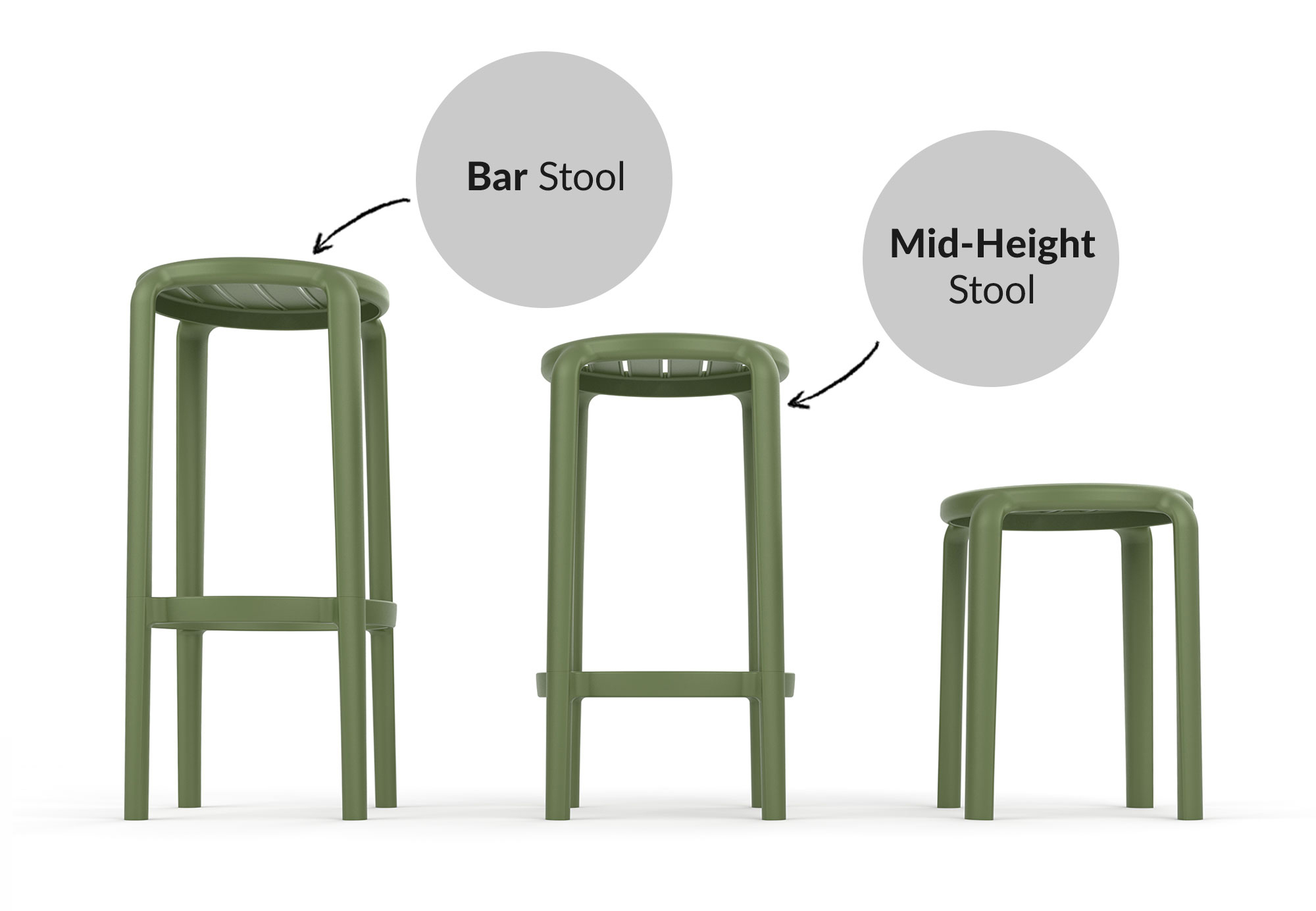
Shown here: Tom Bar Stool 75, Tom Bar Stool 65, Tom Low Stool 45
Why offering both heights can benefit your business
Strategically incorporating both bar and mid-height or counter-height furniture can significantly enhance your venue's appeal and functionality:
• Cater to diverse preferences and needs: Different customers prefer different seating heights - many people find that bar stools are too high and are left with their legs dangling! They’re also difficult to get on to if guests have mobility issues. Offering both ensures you can accommodate a wider range of customers.
• Optimise different zones within your venue: Bar-height furniture is essential for defining dedicated bar areas, creating a lively and social atmosphere. Mid-height options are perfect for more casual dining areas, café-style seating, or even comfortable waiting areas.
• Adapt to varied space constraints: Your venue's layout might naturally lend itself to different furniture heights in different areas. Offering both provides flexibility in maximizing seating capacity while maintaining a comfortable flow.
Bestselling bar and mid-height stools
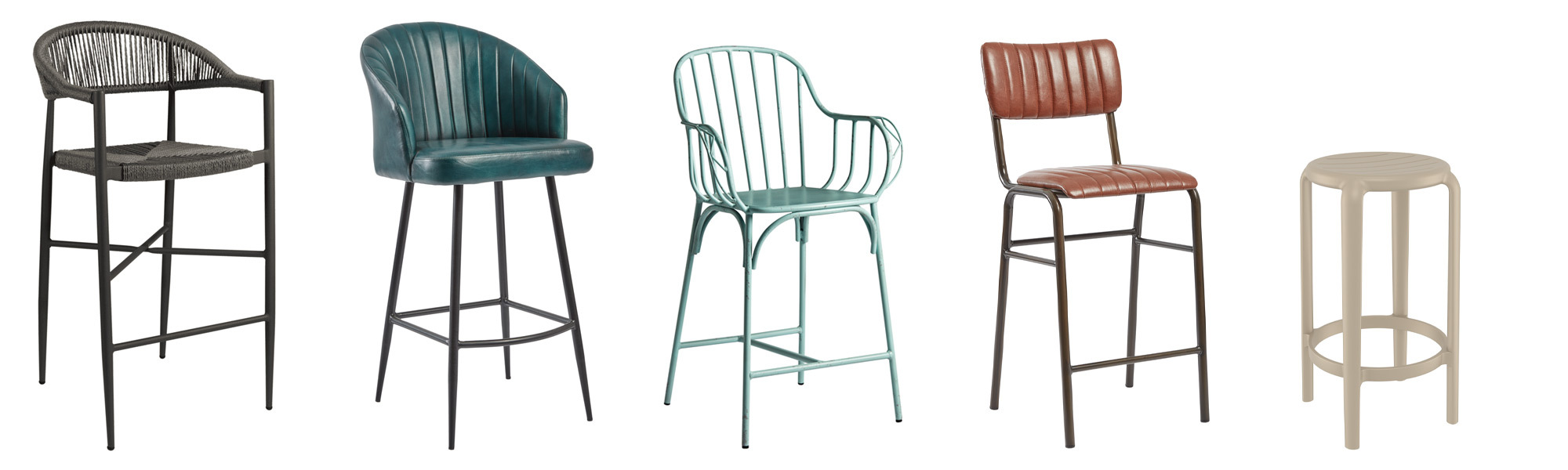
Shown here: Atlantic Bar Stool, Brooklyn Bar Stool, Cellini Mid-Height Stool, Tavo Upholstered Mid-Height Stool, Tom Bar Stool 65
Popular high tables
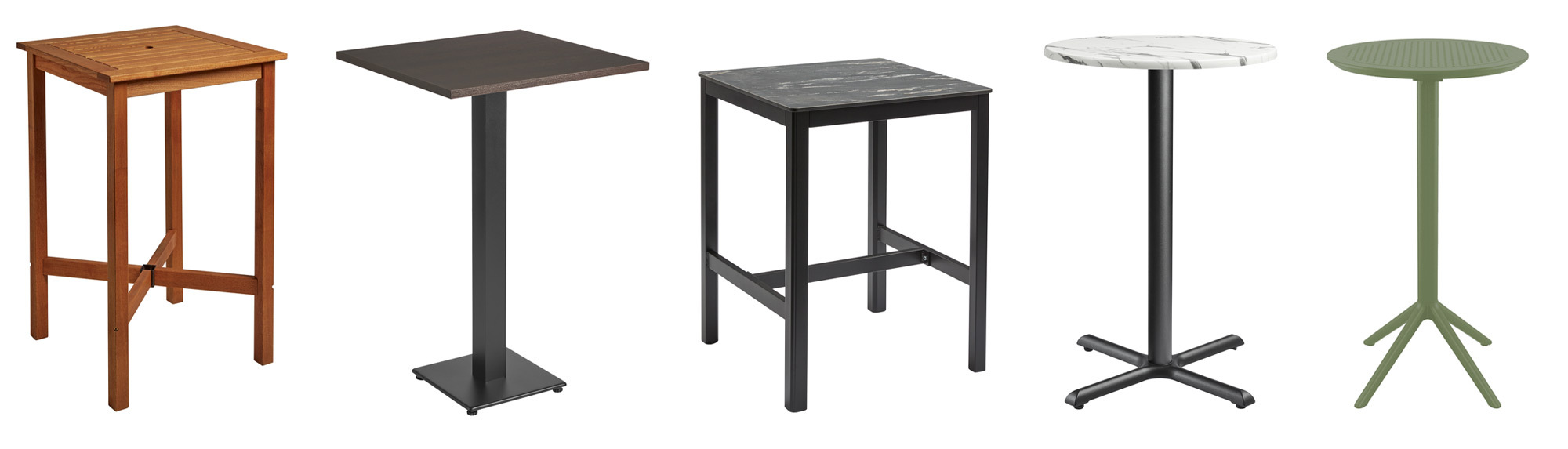
Shown here: Linden Poseur Table, Warwick Bar-Height Table, Extrema Mid-Height Table, Enduratop Auto Adjust Bar-Height Table, Sky Folding Bar Table
Embrace the best of both heights
By strategically selecting and placing both bar and mid-height furniture, you can create a more welcoming, functional, and visually appealing environment that caters to a broader range of your valued customers.
Get in touch...
Our expert team are here to help you every step of the way. If you’re interested in finding out more about our design-led commercial furniture and want to book a complimentary consultation, please don’t hesitate to call one of our friendly team on 01452 336 520 or email sales@eclipsefurniture.co.uk.