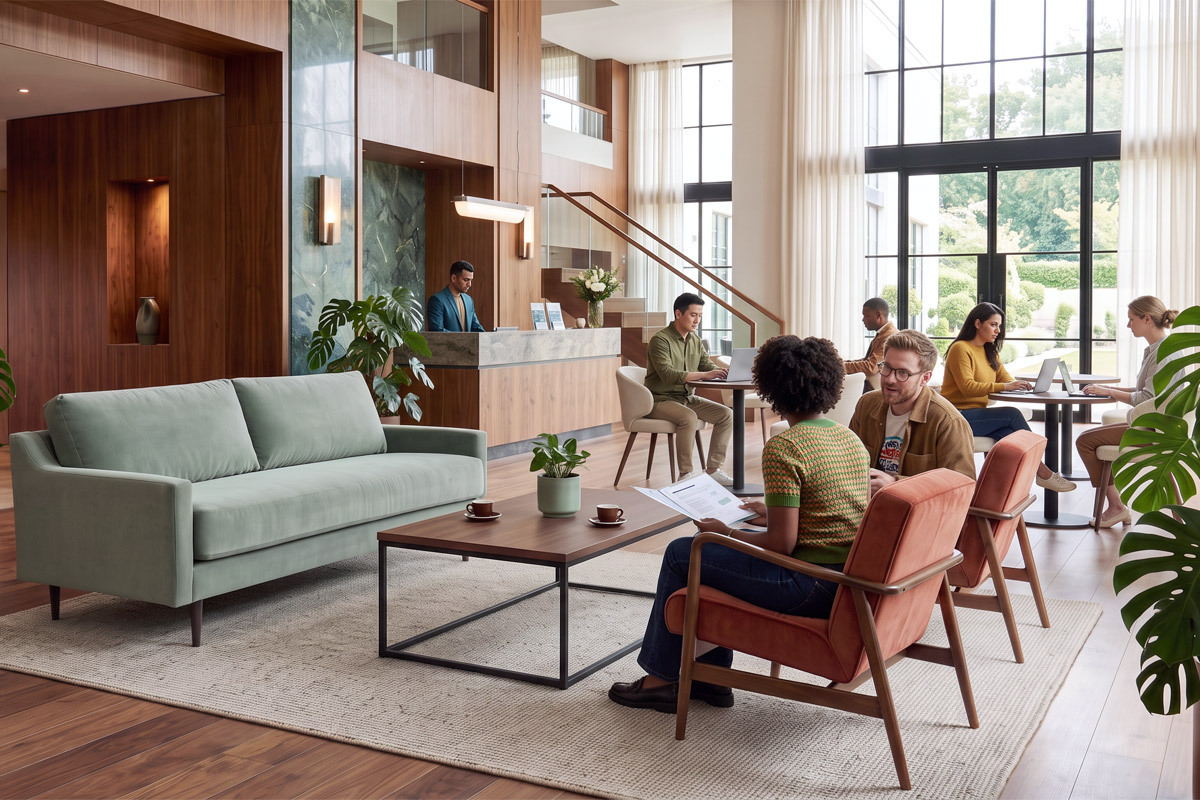
At a Glance: Creating a Successful Workspitality Venue
- What is Workspitality? Workspitality describes the growing crossover between work and hospitality. It can mean workplaces adopting the comfort of hotels and cafés, or hospitality venues creating practical areas where guests can work.
- Essential Furniture Features: Ergonomic dining chairs, mid-height poseur tables, durable commercial finishes, and integrated power access.
- Venue Environmental Factors: Seamless Wi-Fi, zoned lighting, ambient noise management, and clear boundaries between work and social areas.
- Key Commercial Benefit: Can encourage food and drink purchases during off-peak morning and early afternoon windows.
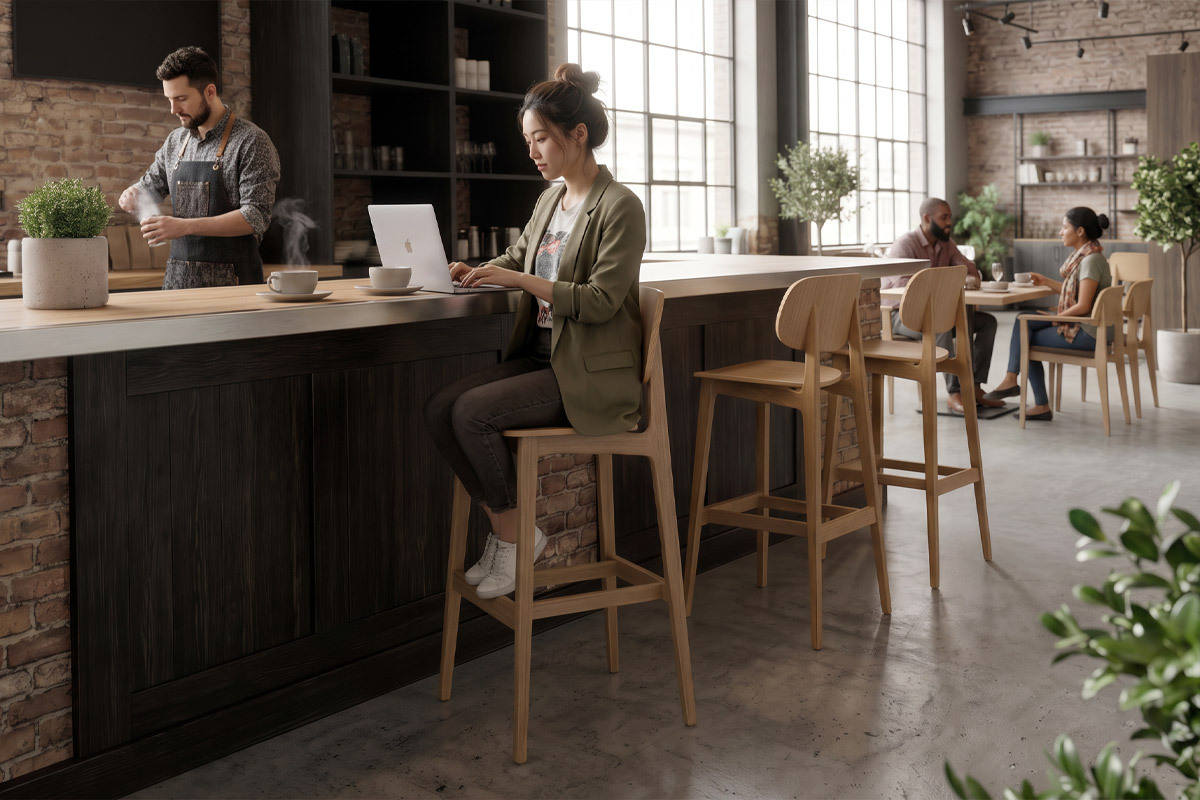
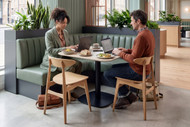
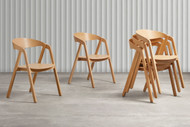
The Marcelo Collection provides comfortable, ergonomic seating for remote working
Why Remote Workers Matter to Hospitality Venues
Hybrid working has changed how people use cafés, pubs, hotel lobbies and other hospitality spaces. According to the Office for National Statistics, 28% of working adults in Great Britain hybrid worked between January and March 2025.
This has created an opportunity for venues with quieter daytime trading periods. By combining comfortable commercial furniture, reliable connectivity and clearly defined working zones, operators can make their spaces more practical for remote workers without losing their hospitality atmosphere.

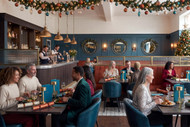
Hybrid working has seen a rise in co-working cafés
Choosing Hospitality Furniture for Remote Working
Dwell-Friendly Ergonomics
Hard wooden chairs can lead to short visits. To keep remote workers settled and ordering food and drink, upholstered contract seating is a great choice:
- Mid-Back Armchairs & Banquettes: Provide high-density foam cushioning to help prevent aches during work sessions.
- Strategic Zoning: Position soft, supportive seating along perimeter walls to create natural focus zones.
Table Heights & Surface Area
A remote worker needs a table with space for a laptop, drink, and notepad without compromising overall cover capacity:
- Dining Height (~75cm): Pair a standard chair (45cm seat height) with a 70cm x 70cm square table. It gives guests plenty of room to work on a laptop without taking up too much floor space.
- Poseur Tables (~105cm): Ideal for solo drop-in sessions when paired with commercial barstools with footrests.
- Pedestal Table Bases: Use central pedestals instead of four-legged frames to maximize legroom and under-table storage.
Integrated Power & Material Durability
If guests can’t charge their laptops, they leave. But having laptops, chargers, and heavy bags dragged across tables all day quickly damages low-grade surfaces.
- Built-In Connectivity: Specify banquette plinths with integrated USB-A/USB-C outlets, or place power-ready tables along perimeter walls to eliminate tripping hazards.
- High-Pressure Laminates (HPL): Resist scratches, heat, and impact better than softwoods or thin veneers.
- Contract Fabrics: Select stain-resistant, anti-microbial contract-grade fabrics, designed to withstand friction and spills.
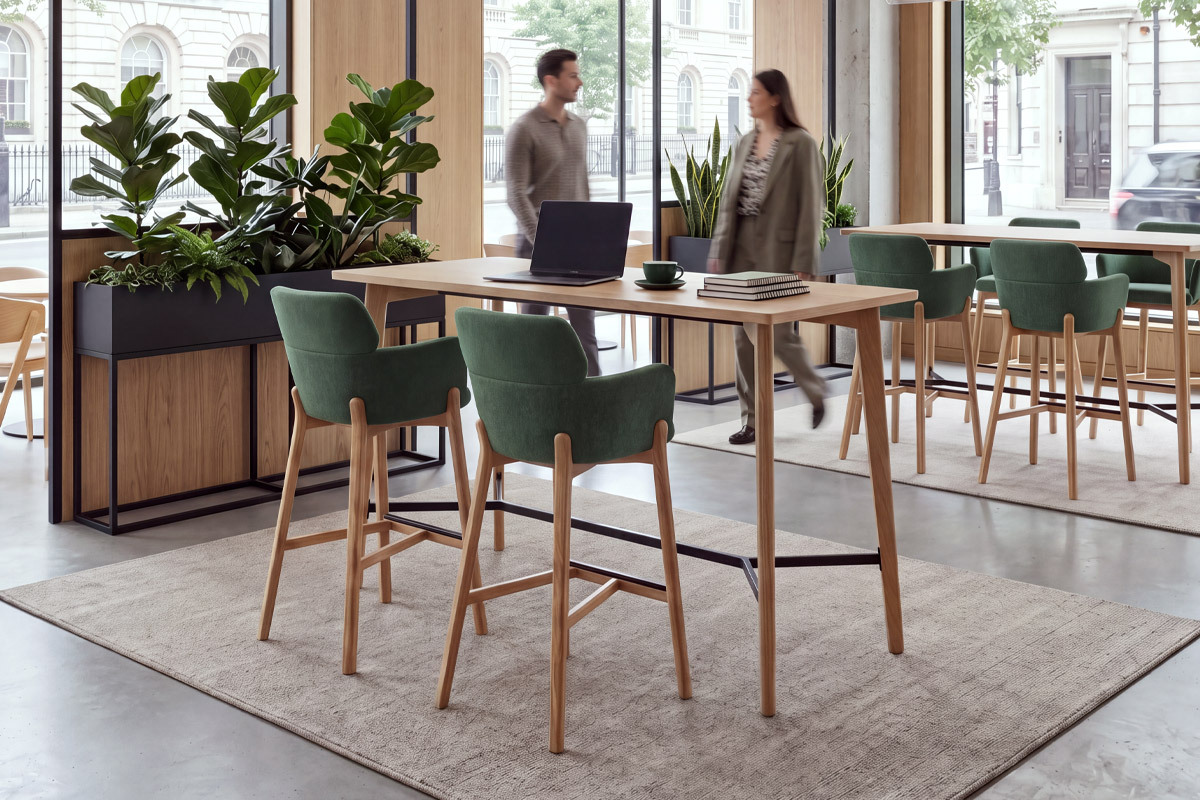
Choose hardwearing contract-grade fabrics for hospitality seating that will get used by remote workers
Creating Work-Friendly Zones
Creating a productive workspitality venue requires more than just comfortable chairs and durable tables. Your operational setup, lighting, noise levels, and menu strategy must work together to attract remote workers.
Distinct Functional Zones
Divide your floor plan into dedicated areas based on guest needs:
- Focus Work Zones: Group power-ready tables and high-backed acoustic booths along walls or in quiet corners for workers who need to focus.
- Flexible Mid-Floor Seating: Keep central areas open with moveable, 2-seater square tables that staff can quickly reconfigure for lunch dining or large groups.
Protecting Peak Dining Windows
Avoid laptop squatters blocking high-value dining tables during lunch rushes:
- Time-Zoned Seating: Reserve prime window spots or larger four-seater tables for dining guests between 12 and 2pm.
- Clear Signage & Policy: Friendly tabletop signs can gently indicate work-friendly zones versus dining-only areas, setting clear expectations while keeping guests happy.
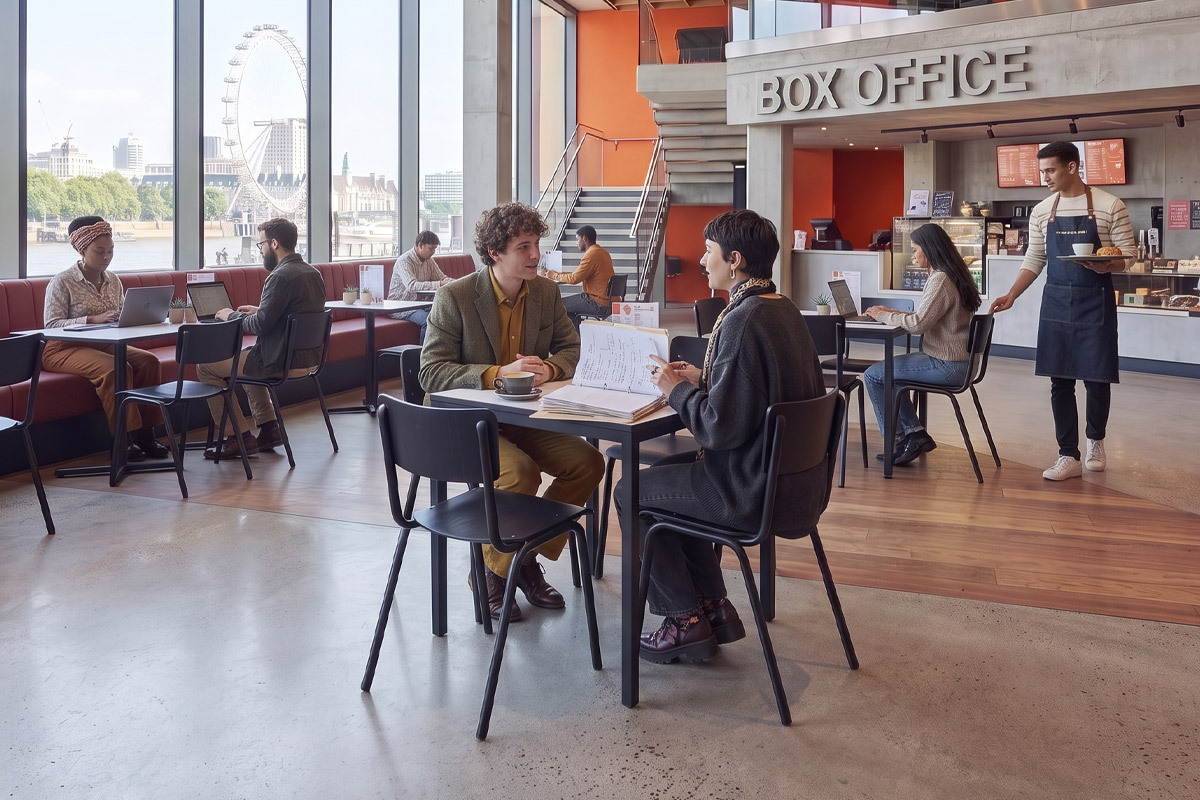
Place work tables near windows to make the most of natural daylight
Workspitality Furniture Checklist
|
Feature |
Traditional Dining Setup |
Workspitality Hybrid Setup |
|
Furniture Spec |
Sleek, space-efficient seating and decorative tops designed to maximise covers during lunch and dinner rushes | Ergonomic contract armchairs, mid-back seating & durable HPL tops for sustained comfort during multi-hour work sessions |
|
Power Access |
Unobtrusive perimeter sockets, keeping guest focus on conversation, dining, and social interaction | Integrated USB-A/C plinths & power-ready tables to keep laptops charged throughout the workday |
|
Lighting & Ambience |
Warm, atmospheric, and mood-focused lighting crafted for intimate dining and evening social gatherings | Bright, natural daytime light paired with glare-free focus zones for working at laptops |
|
Layout Strategy |
Streamlined dining grids tailored to host maximum meal covers during peak trading | Balanced zoning featuring quiet perimeter focus bays alongside flexible, reconfigurable centre tables |
.
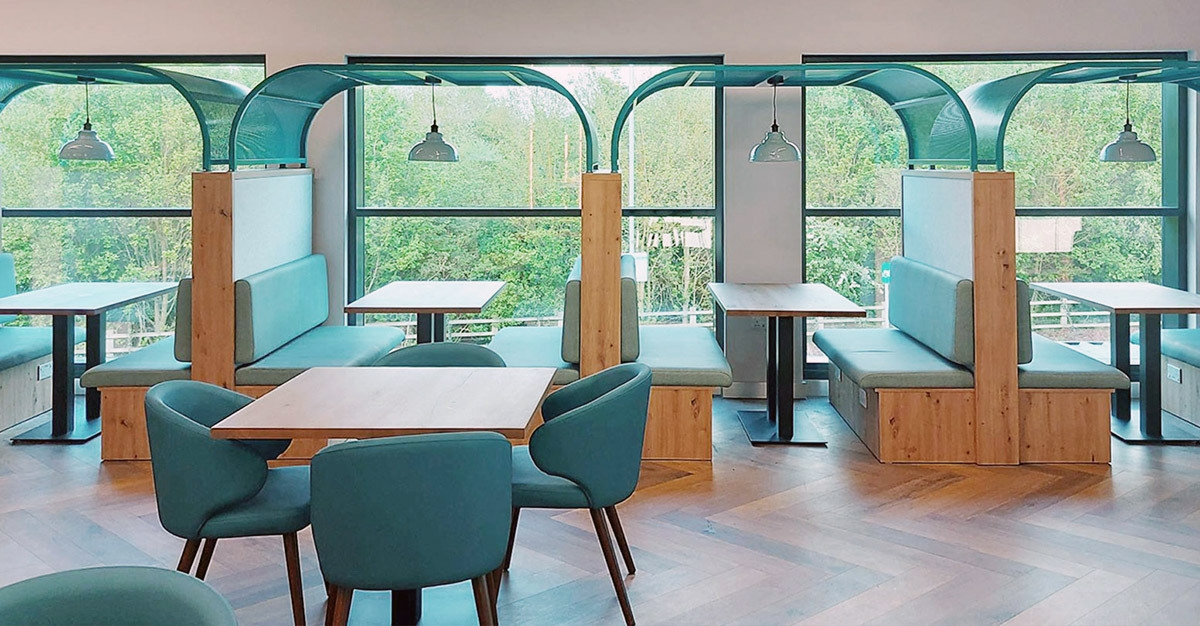
Remote Working Booths at Moto Sawtry Service Station
Planning a Flexible Hospitality Space
Adapting your venue for hybrid workers isn't just a temporary trend – it offers operators a practical way to respond to hybrid working for unlocking year-round daytime revenue. And it isn't limited to high-street cafes or hotel lobbies.
Even unconventional spaces are capitalising on this shift. Look at Moto Sawtry, a busy motorway service station that transformed its space by investing in dedicated acoustic work booths. By giving on-the-go workers a comfortable, power-ready spot to plug in, take calls and answer emails, they’ve proven that almost any venue can turn passing footfall into daytime customers.
Whether you operate a pub, restaurant, hotel, or service station, small furniture and layout changes can improve how effectively the space is used.
Ready to Embrace Workspitality?
Whether you are refreshing a café, pub, hotel or service area, our team can help you choose commercial furniture that balances comfort, durability and efficient use of space.
Get expert advice tailored to your space:
Call: 01452 336 520
Email: sales@eclipsefurniture.co.uk
Request a free consultation: Fill in our quick contact form
Frequently Asked Questions
What is the ‘Workspitality’ trend in commercial venue design?
Workspitality is the practice of combining workspace functionality (ergonomic seating, power access, reliable Wi-Fi) with hospitality comfort and atmosphere. It allows cafes, pubs, and hotel lobbies to attract remote workers and turn quiet daytime trading hours (9am-4pm) into a consistent revenue stream.
How do I prevent remote workers from ‘laptop squatting’ all day on one coffee?
Use strategic layout zoning and food-and-beverage packaging. Designate high-density poseur tables or perimeter booths for working guests, while reserving primary dining tables for meal service between 12 and 2pm. Offering bundled ‘daytime work passes’ that include bottomless hot drinks and a lunch item also sets clear, high value spend expectations.
What type of commercial furniture is best for hybrid remote work venues?
Look for contract-grade furniture built for multi-hour dwell times. Essential specs include high-density foam upholstered seating with mid-back support, central pedestal table bases for legroom, high-pressure laminate (HPL) tops that resist scratches and laptop heat, and built-in USB/power modules.
Can non-hospitality venues benefit from workspitality layouts?
Yes. Any space with passing footfall can monetise remote work needs. For instance, motorway service stops like Moto Sawtry have successfully installed acoustic work booths with integrated power, turning short pitstops into productive workspaces and driving higher food and drink sales.