Why temporary eateries are the new trend in hospitality
You may have noticed pop-up restaurants ‘popping up’ all over the place in the past few years. In fact, these temporary eateries have established themselves as a significant part of the hospitality sector. According to Tecna the UK's pop-up industry (which includes retail, food, and other sectors) was worth over £2.3 billion a year in 2023.
What is a pop-up restaurant?
A pop-up restaurant is a temporary dining establishment operating for a limited time, and often in an unconventional location, offering unique culinary concepts and creating an exclusive buzz. And there’s good reason why they’re such a popular choice for businesses across the country:
• Lower Financial Risk & Start-up Costs
• Creative Freedom
• Market Testing
• Brand Buzz
• Reaching New Customer Segments
• Mobility and Flexibility
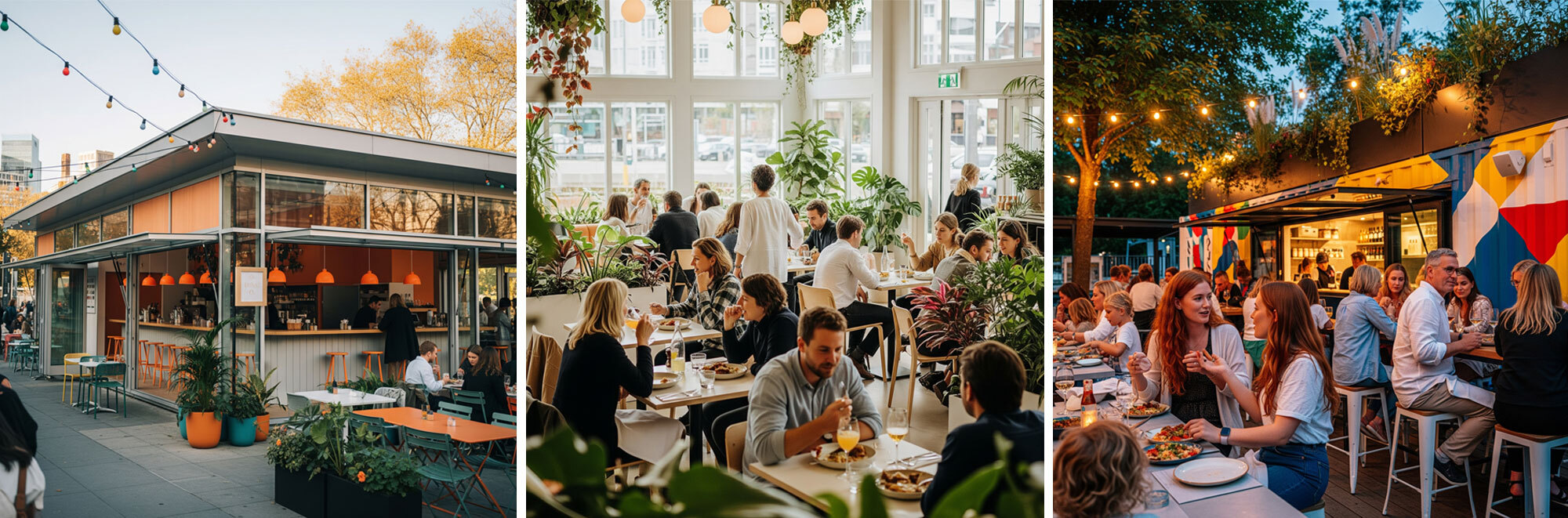
An article by PDQ Funding states that almost 30% of British businesses beginning their entrepreneurial journey as a pop-up. It makes sense, doesn’t it? It’s a great way to test a concept without committing to a long-term lease and high overheads.
So, if you’re thinking about opening a pop-up restaurant, what should you consider?
What's your brand?
What’s your USP? It's a crowded marketplace, so make sure your menu offers something different. Define your niche and your target audience - this will influence your menu, your pricing structure and how you market your new venture. And don't forget about your brand - it's more than just a logo, it's your business personality and voice, visual identity, positioning, and interior/exterior design. You want guests to be inspired, take pictures, and share them on social media.
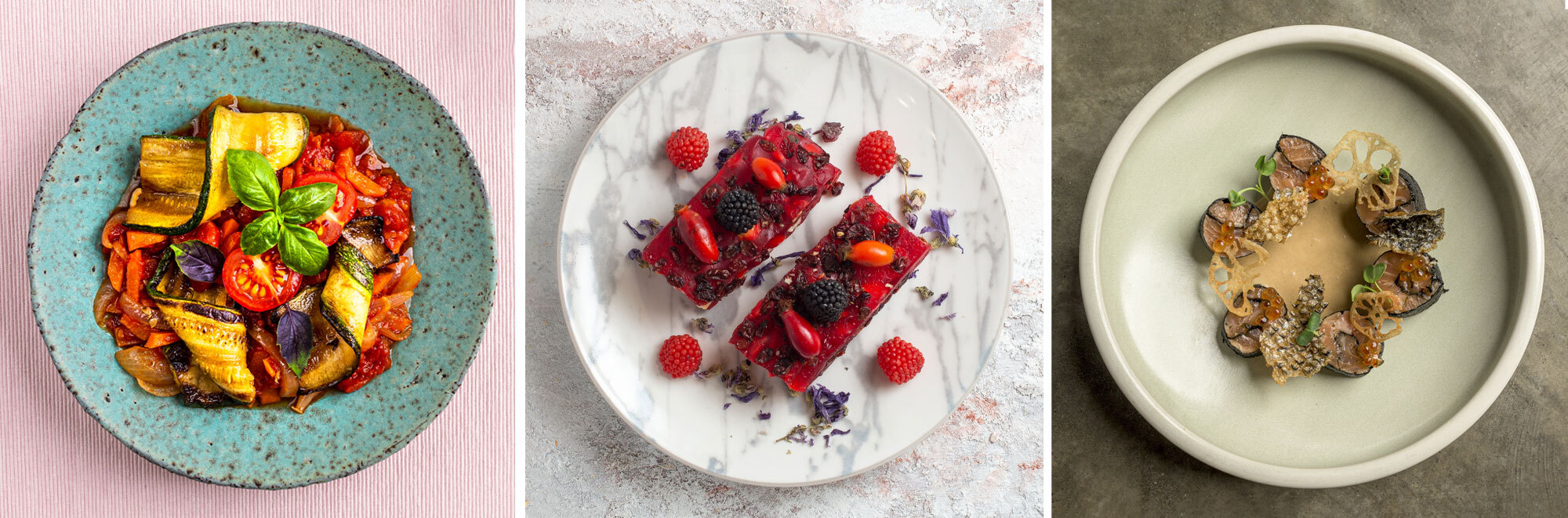 Designed by Freepik
Location, location, location
You may have a brilliant concept, but to make it successful you must put it in the right location. Look at your target demographic and research the area you’re intending on basing yourself. Consider how people are going to get to you - what are the transport links or parking facilities? Prime locations are going to be more expensive, but they'll be easier to get to, and you're more likely to attract passing.
Select the right furniture
Always choose comfortable, commercial-grade furniture: Your restaurant maybe temporary, but you still need furniture that can withstand heavy use, spills, and regular cleaning. Commercial furniture is just that - tested for strength and durability and designed to be ergonomic. Uncomfortable chairs could result in unhappy customers and bad reviews. Look for well-made furniture crafted from materials like high-pressure laminate (HPL), sealed or treated wood, or durable polypropylene.
Opt for lightweight, stackable or foldable furniture: The ease in which furniture can be assembled, taken down, and moved is paramount for a pop-up. Lightweight furniture is naturally easier to move around, and stackable or foldable furniture saves space during transport and storage. Consider purchasing furniture that's been designed for events and functions - for example, our innovative range from Flexfurn even comes with its own trolleys which make moving and storing even easier.
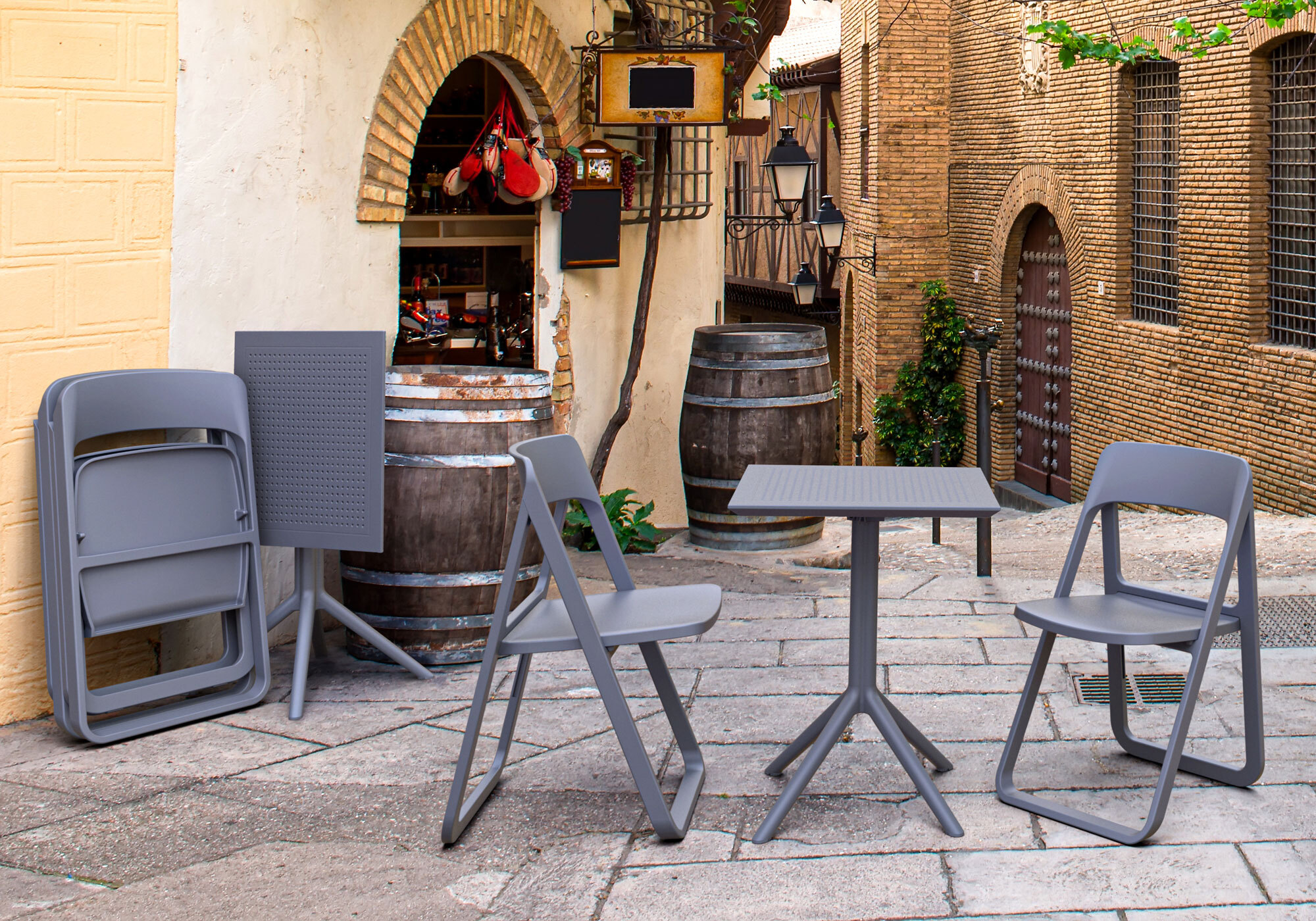
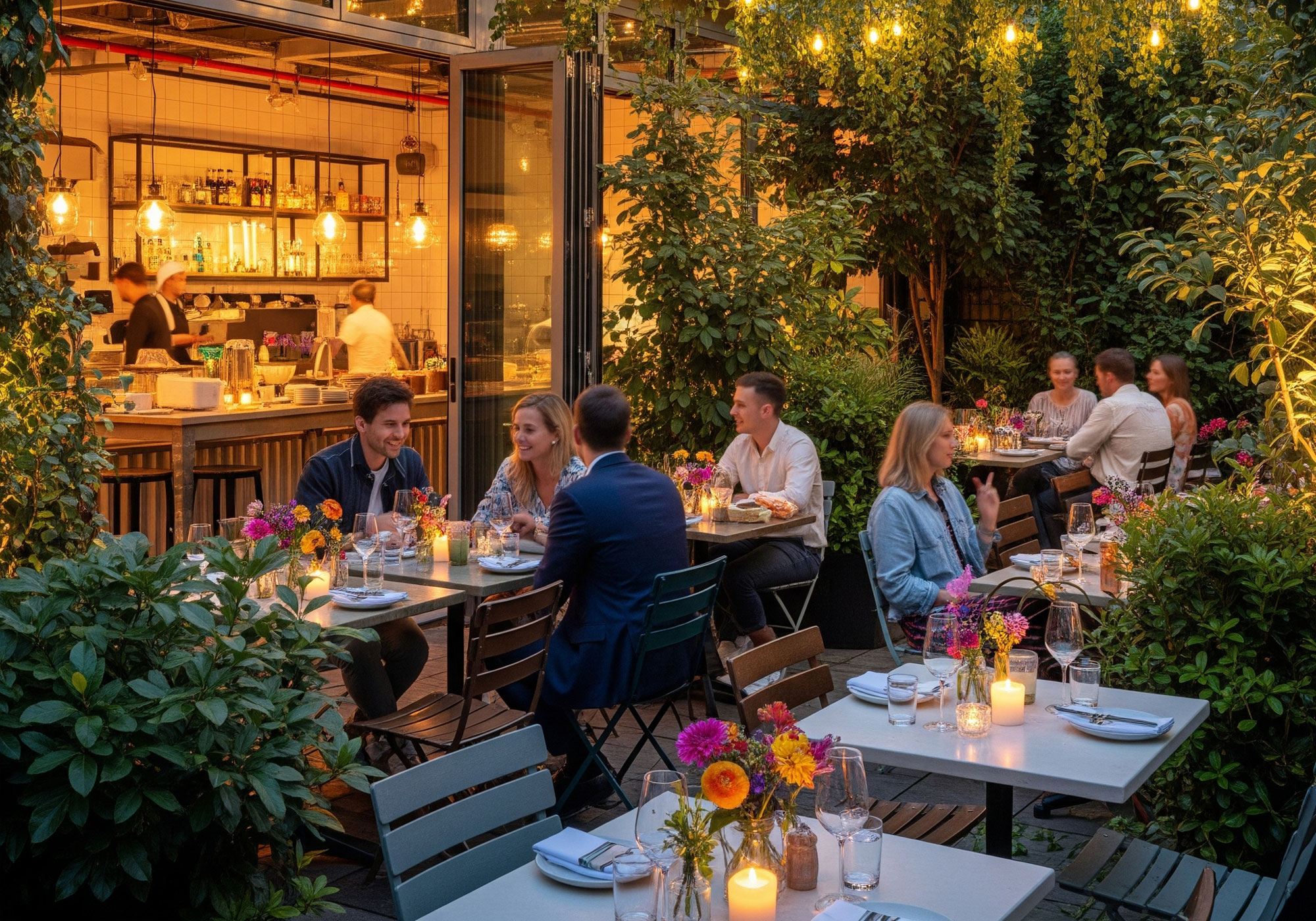
Shown here: Dream Folding Chairs and Sky Folding Tables
Select furniture that aligns to your brand: Your brand is what separates you from the competition, so you should select furniture that visually tells your story and creates the desired ambience. Whether rustic, sleek, or sustainable, you should maintain a consistent look and feel with your furniture and ensure that the chosen colours and materials complement your overall interior design scheme. Remember, even if your restaurant is temporary, the commercial furniture that you choose significantly contributes to a great customer experience and whether your restaurant is Instagrammable.
Stick to a budget: As a pop-up restaurant, you'll want to keep a close eye on your budget, but it's worth investing in quality commercial furniture. It can often be better value than hiring furniture, and if you're planning multiple pop-ups or a future permanent location then purchasing your own furniture is the best idea. At Eclipse Furniture, we often have special offers, so it's worth asking about any current deals. If money is tight, check out our great selection of clearance furniture - great products with up to 80% OFF the RRP!
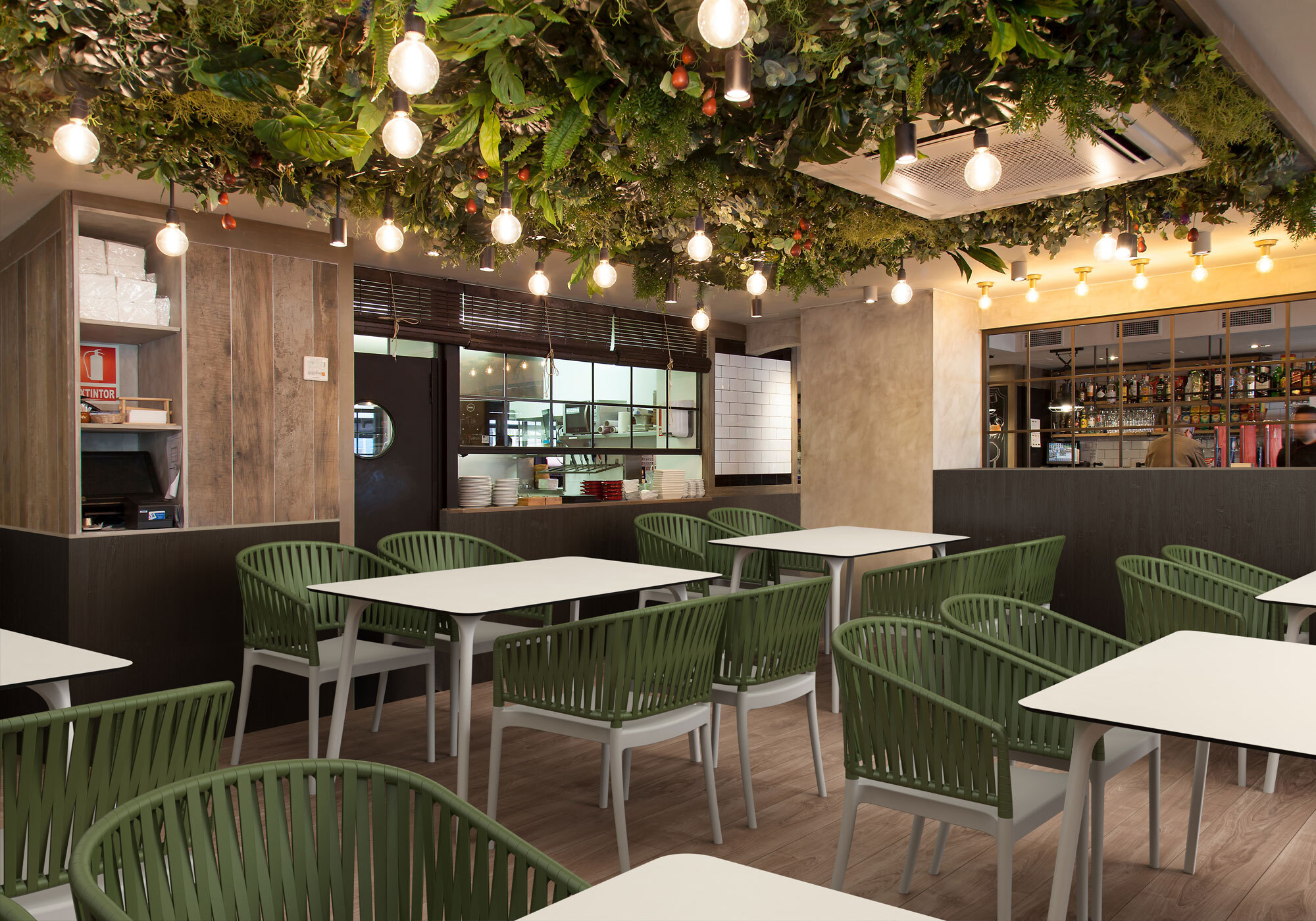
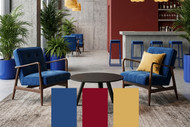
Shown here: Portofino Armchairs
The legal stuff
Most pop-up restaurant owners find it easier to lease their premises rather than buy, otherwise it’s a huge upfront cost. Make sure you do your homework though - find out why the building is vacant and if it has the necessary requirements for a licensed eating establishment. Also think about negotiating the rental terms. For example, if you're just starting out, it’s wise not to lock yourself into a long lease and potentially end up paying for a building which you’re not using!
Once a new lease is granted, a tenant must pay Stamp Duty Land Tax within 30 days. It’s also worth undertaking a survey so that you can see what materials you might need to purchase to bring the premises up to scratch. You'll also need to register your business with the council at least 28 days before you open and always make sure you factor business rates into your plan.
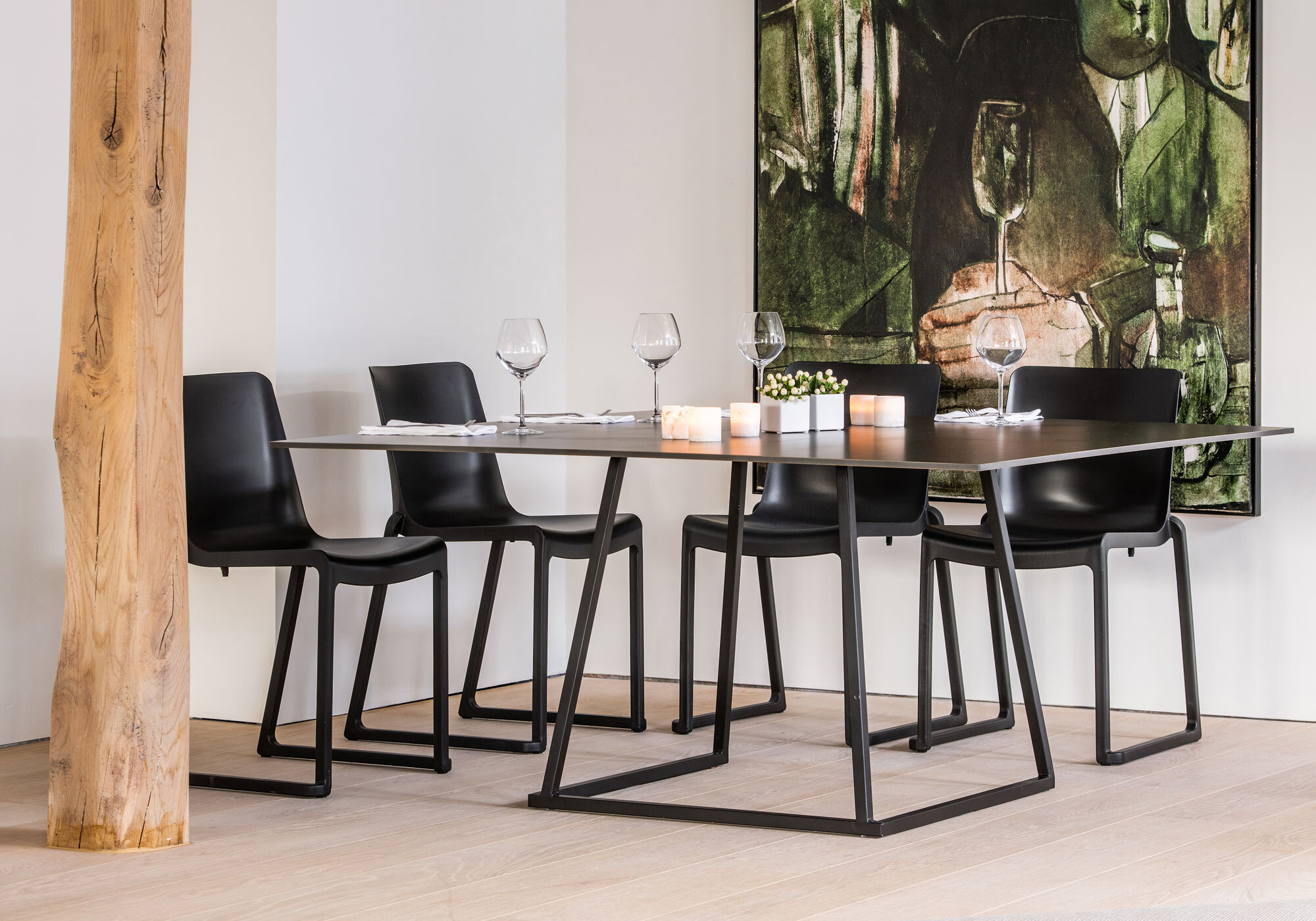
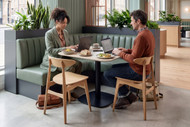
Shown here: Kasar Stacking Side Chairs and Linea Dining Table
Need help choosing the perfect furniture for a pop-up restaurant?
At Eclipse Furniture, we offer a wide range of high-quality, commercial-grade furniture designed specifically for the demands of the hospitality industry. Contact us today on 01452 336 520 or email sales@eclipsefurniture.co.uk for a complimentary consultation and let us help you choose the perfect furniture for your restaurant.
FAQs
How long do pop-up restaurants typically stay open?
Pop-up restaurants run anywhere from a single evening to several months. A one or two-night event is ideal for charity fundraisers or single-menu showcase events, while running a venue for several weeks or months allows operators to test new menu concepts, gauge local foot traffic, and refine operational processes before committing to a permanent commercial lease.
How much space and furniture do you need for a pop-up restaurant?
The exact space requirement depends on your dining setup, but flexible pop-up concepts can operate in footprints as small as 12x7 feet for counter-service stations, up to larger dining rooms for sit-down experiences. To maximise limited square footage, pop-ups should use commercial-grade, lightweight, and stackable or foldable furniture. Furniture designed for events such as folding tables and stacking chairs—allows fast assembly, easy takedown, and efficient storage without sacrificing guest comfort
What permits and licenses are required to open a pop-up restaurant in the UK?
Operating a pop-up restaurant requires compliance with local authority regulations. You must register your temporary food business with your local council at least 28 days before opening. Key requirements include:
A temporary food business registration and compliance with food hygiene standards.
A Temporary Event Notice or temporary liquor license if serving alcohol.
Business rates planning and Stamp Duty Land Tax clearance within 30 days if granting a temporary commercial lease.
Commercial liability insurance to cover staff and public guests.
Is buying commercial furniture better than renting for a pop-up venture?
While renting furniture seems low-risk initially, purchasing commercial-grade furniture is often more cost-effective if you plan to run multiple pop-up events or eventually transition into a permanent venue. Buying stackable or foldable commercial furniture gives you complete control over your brand identity, avoids recurring rental delivery fees, and provides durable pieces engineered for heavy hospitality use.