At a Glance: Stackable vs. Non-Stackable Chairs
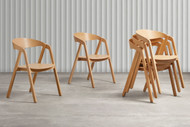
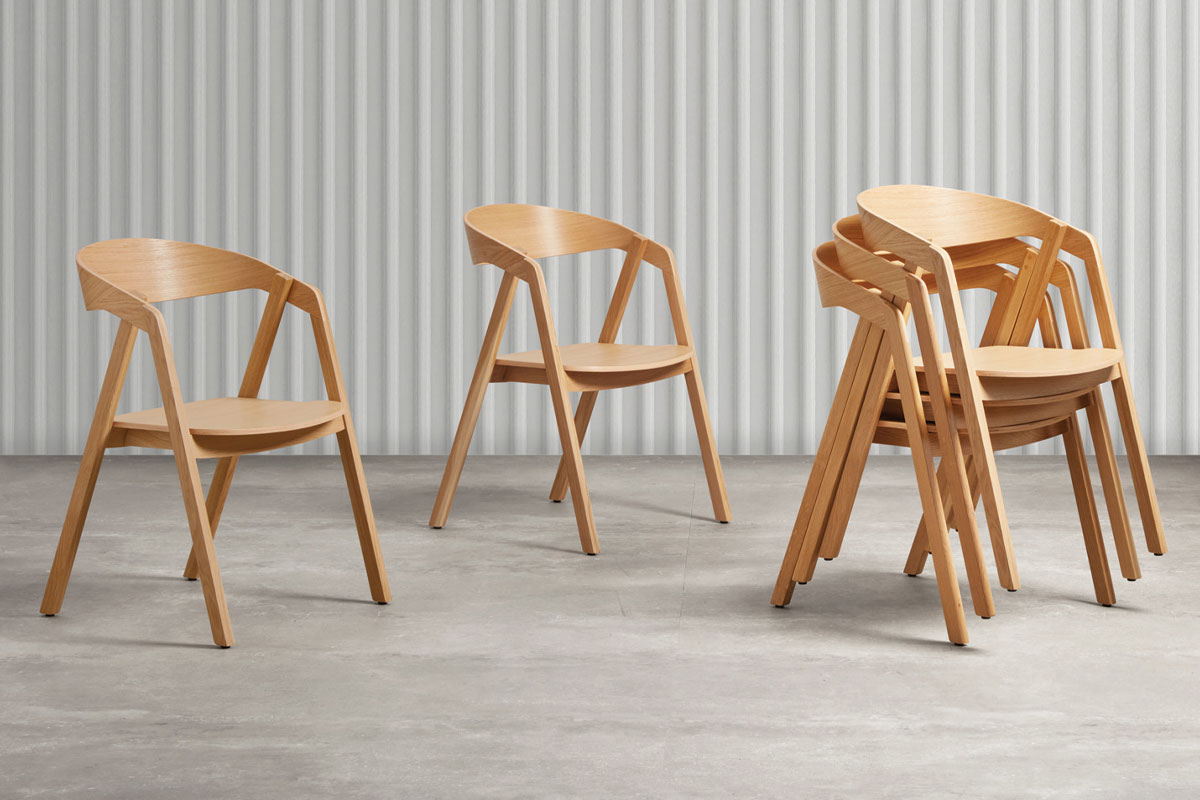
- Best for Flexibility: Stackable chairs allow vertical storage, making them ideal for multi-use rooms, seasonal peaks, and fast cleaning. For specific stacking quantities, always refer to product details.
- Best for Fixed Layouts and Generous Upholstery: Non-stackable chairs offer deeper padding, heavier frame profiles, and plush upholstery that can provide a more supportive, generously upholstered seating experience.
- Key Operational Difference: Stackable seating speeds up shift turnaround and floor cleaning, while non-stackable seating creates a permanent, static dining environment.
Choosing commercial chairs is not only about appearance. Seating affects how easily staff can change layouts, clean the floor and manage additional covers. In this guide, we compare stackable and non-stackable chairs to help you choose the right option for your venue.
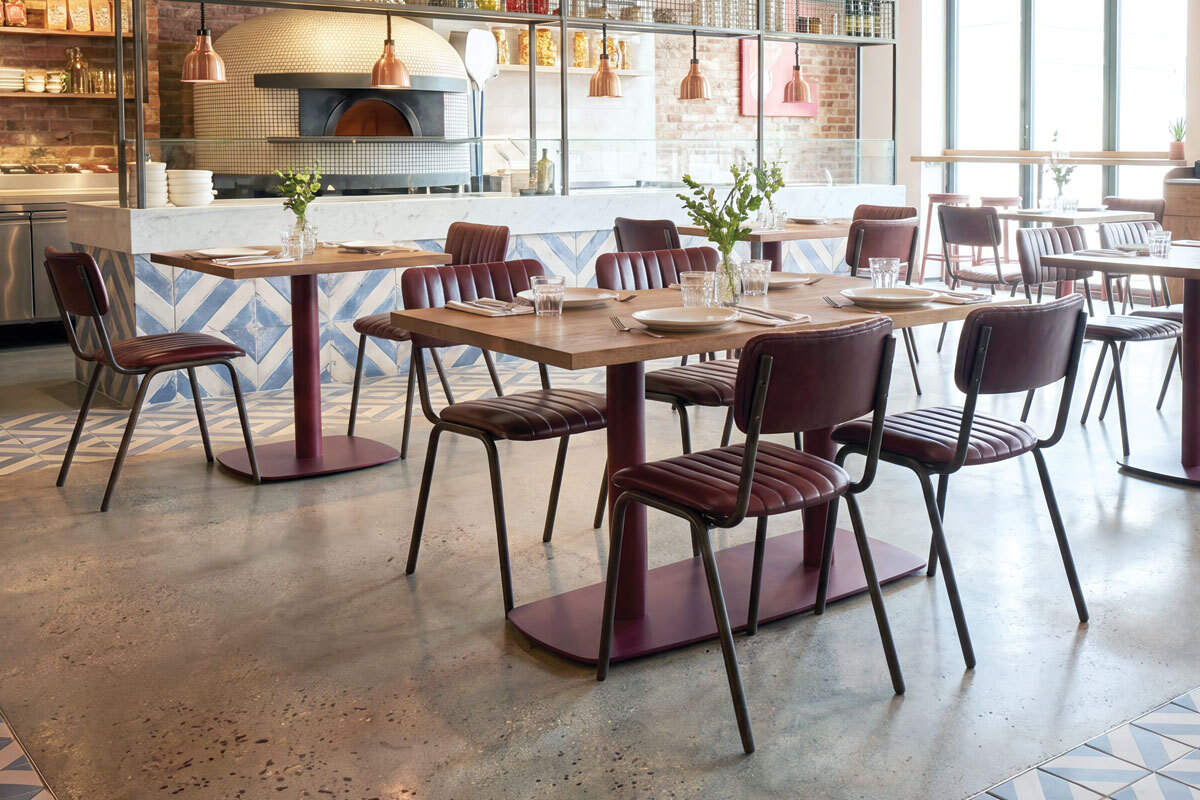
Storage & Space Optimisation
Floor space in a commercial venue represents revenue potential. Every square meter occupied by unused furniture is space that isn’t making you money.
The Stackable Advantage
Stackable commercial chairs allow you to store anywhere from four to ten chairs in the footprint of a single seat. This vertical storage capacity is invaluable for venues holding events, outdoor seating areas, or seasonal capacity spikes (such as Christmas party bookings). When extra covers are needed, chairs can be brought out in minutes; when space needs clearing, they can be stored without cluttering corridors.
The Non-Stackable Reality
Non-stackable chairs take up the same amount of floor space whether they’re in use or tucked away out the back. If storage is tight, they’ll have to stay on venue floor full-time. That’s fine for set dining layouts, but it makes it much harder to clear the room for private parties or large group bookings.
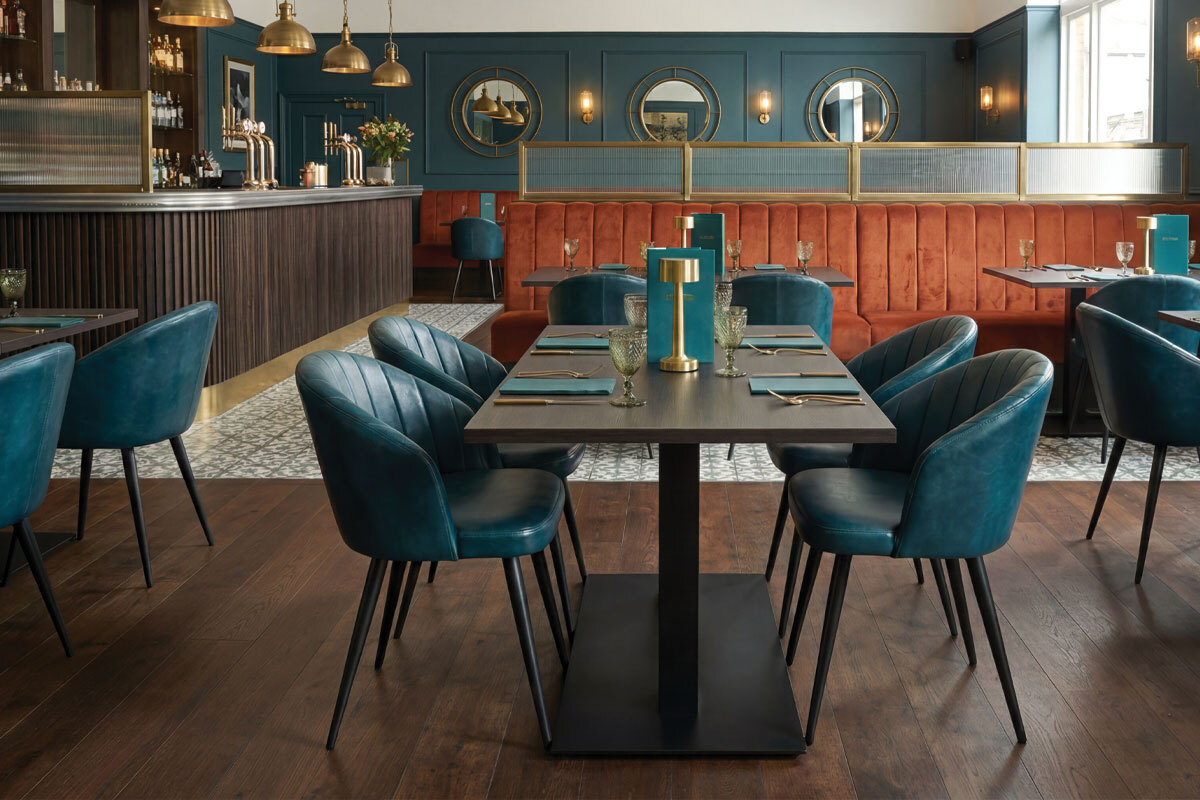
Staffing and Daily Operations
Labour is one of the highest operational costs in the hospitality industry. The weight, ergonomics, and ease of movement of your seating directly impact how quickly your team can reconfigure rooms or open and close shifts.
Setup Speed & Turnaround Times
During busy shifts, staff frequently need to join tables or add extra covers for walk-ins. Modern contract-grade stackable chairs, often constructed from lightweight wood or metal, can be moved two or three at a time. This reduces setup time compared to moving heavy, individual non-stackable chairs one by one.
Staff Welfare & Ergonomics
Constantly lifting heavy wooden or fully upholstered armchairs places physical strain on front-of-house staff. Lightweight stackable options may make frequent handling easier for staff.
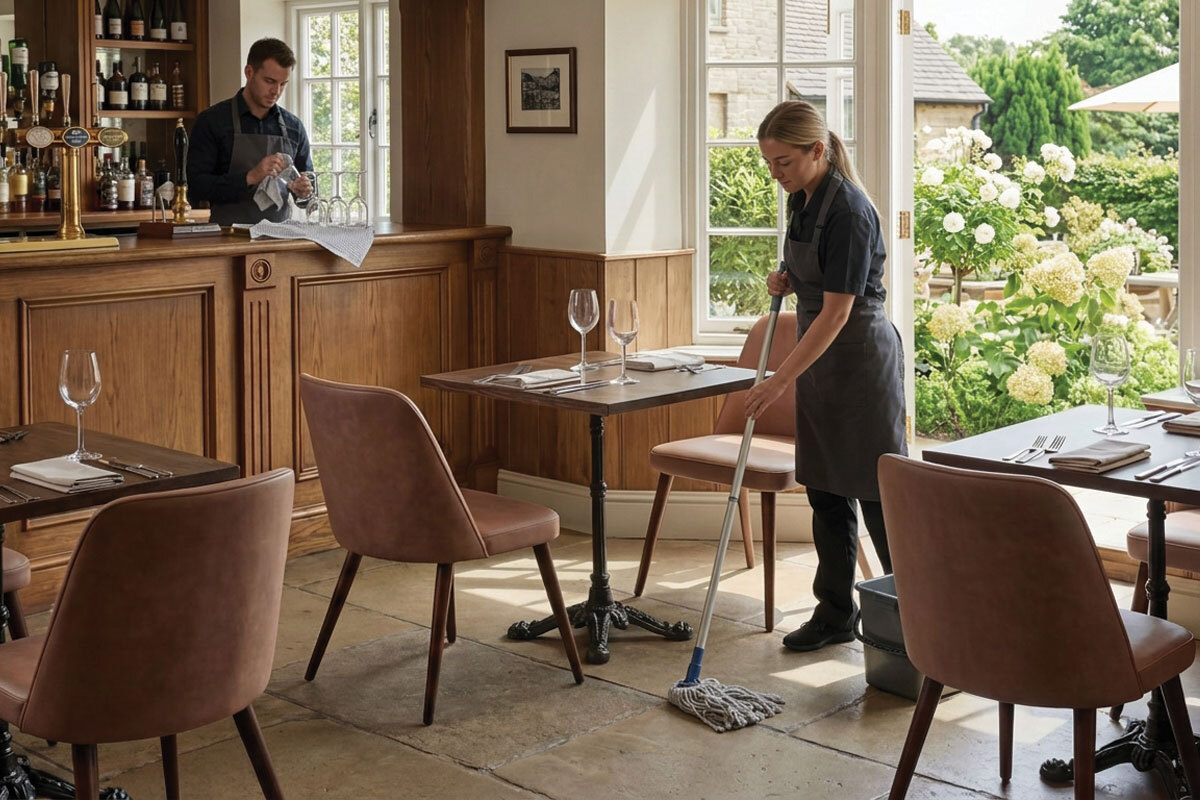
Maintenance, Cleaning & Long-Term Durability
Cleanliness is non-negotiable in hospitality. The ease with which floor staff can clean around and under furniture directly affects shift efficiency and hygiene standards.
Cleaning & End-of-Service Routines
At the end of a long service, floor staff need to sweep and mop floors. Stackable commercial chairs allow staff to clear entire areas by stacking seats out of the way. This creates open floor space which makes cleaning much quicker and easier.
By contrast, non-stackable chairs mean that staff have to navigate around legs or place chairs upside-down on tables – which could potentially damage both items of furniture.
Frame Wear & Tear
Non-stackable chairs hold a durability advantage because they are rarely moved a great distance, resulting in fewer scuffs to the frame over time. However, high-quality contract-grade stackable chairs are engineered with durable powder coatings or contract-grade finishes built to withstand frequent friction.
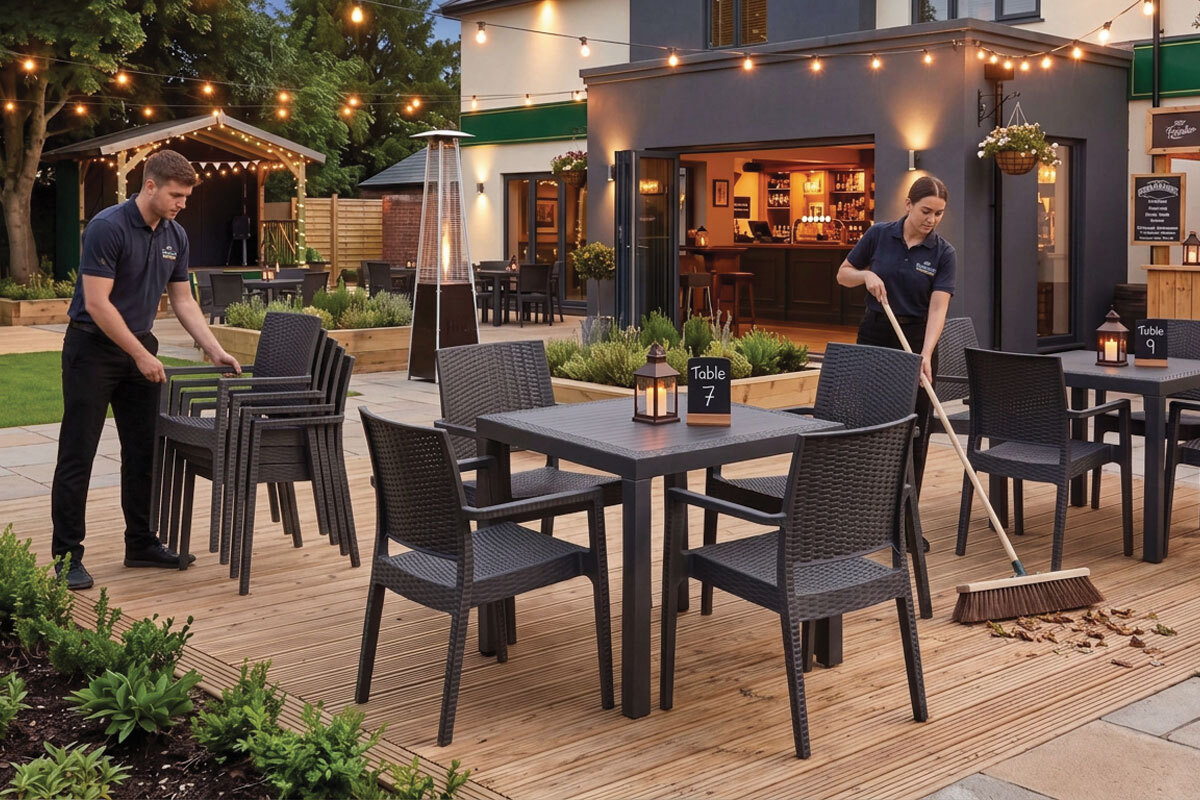
Venue Fit & Guest Experience
It would be wrong to say that one chair type is better than the other; the right choice depends on your venue's service model, turnaround speed, and desired guest experience.
Stackable Chairs: Great for Cafes, Bistros, Bars & Event Venues
For casual venues, busy high-street cafes, outdoor terraces, and function spaces, efficiency and versatility rule. Contemporary commercial furniture design has evolved significantly - modern stackable chairs no longer look cheap or unstylish. Sleek moulded shells, tactile finishes, and upholstered seat pads allow venue owners to achieve a high-end look while keeping the furniture versatile and practical.
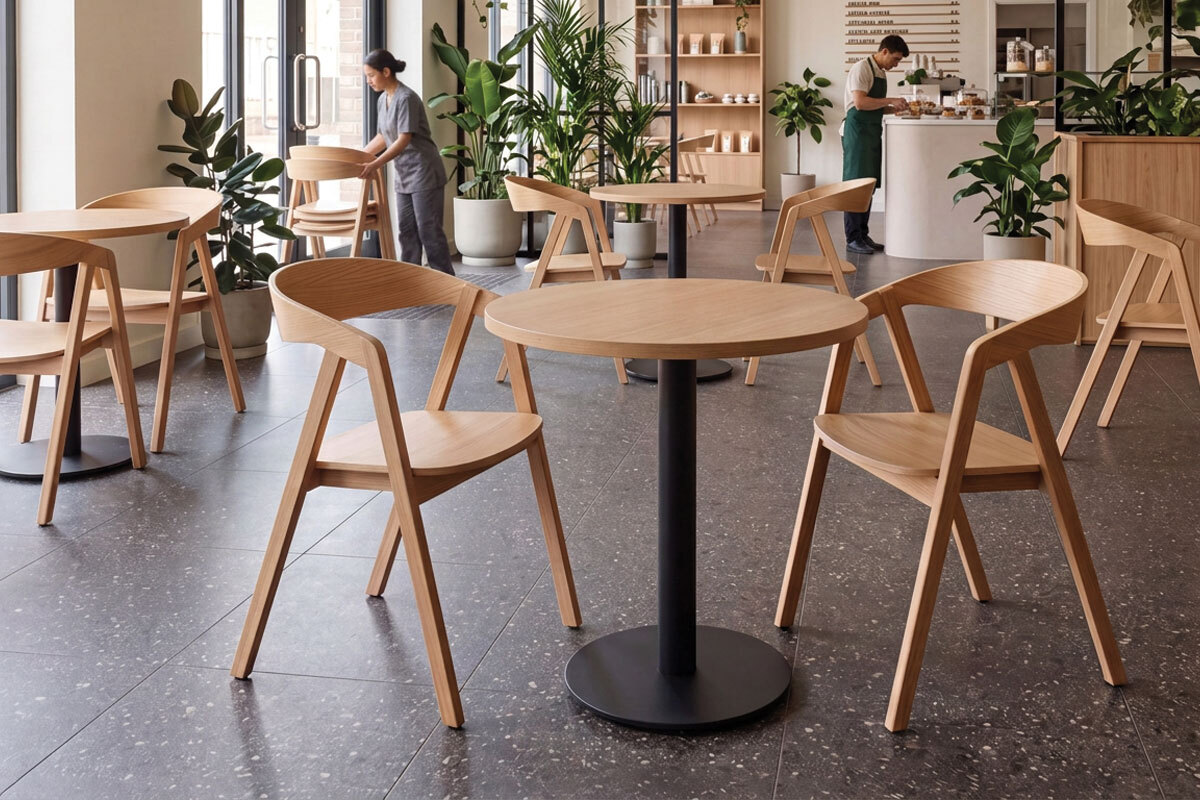
Non-Stackable Chairs: Ideal for Fine Dining, Hotels & Boutique Venues
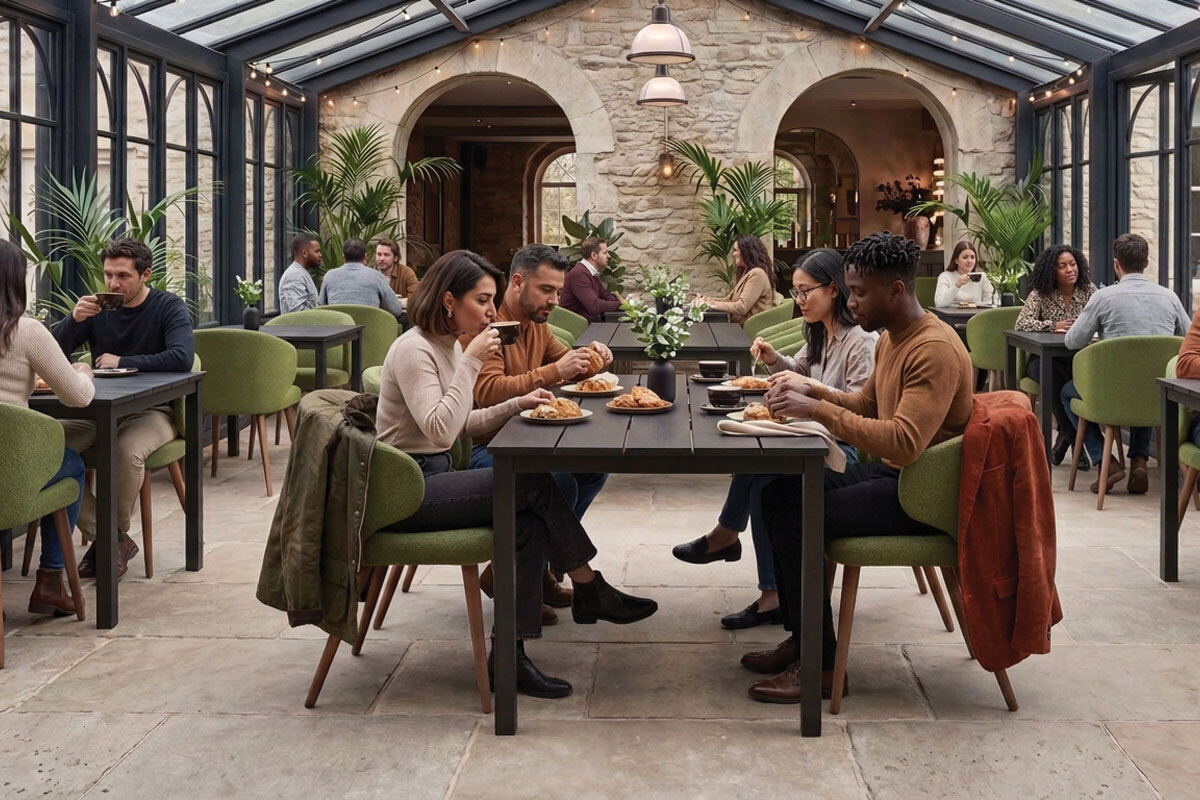
High-end dining rooms, hotel lounges, and cocktail bars that prioritise long dwell times benefit greatly from contract-grade non-stackable seating. Because these chairs do not require the engineering required for stacking, designers can incorporate:
- Deeper, plush seat cushions and fully upholstered backs
- Intricate wooden joinery or heavier solid-timber frames
- Wider armrests and generous proportions that are suitable for venues designed around longer, more relaxed visits
Stackable vs. Non-Stackable Chairs Comparison
| Feature | Stackable Commercial Chairs | Non-Stackable Commercial Chairs |
| Storage Footprint | Low (multiple chairs stack vertically) | High (1:1 floor space required) |
| Operational Agility | High (quick layout setups & changes) | Lower, depending on chair weight and layout |
| Cleaning Speed | Fast (clear floor space for mopping/sweeping) | Moderate (must clean around chair legs) |
| Dwell Time Focus | Medium-to High (idea for casual & fast-casual) | Often suited to longer dining occasions |
| Best For | Multi-use rooms, cafes, terraces, and event spaces | Fine dining, boutique hotels, fixed bar spaces |
.
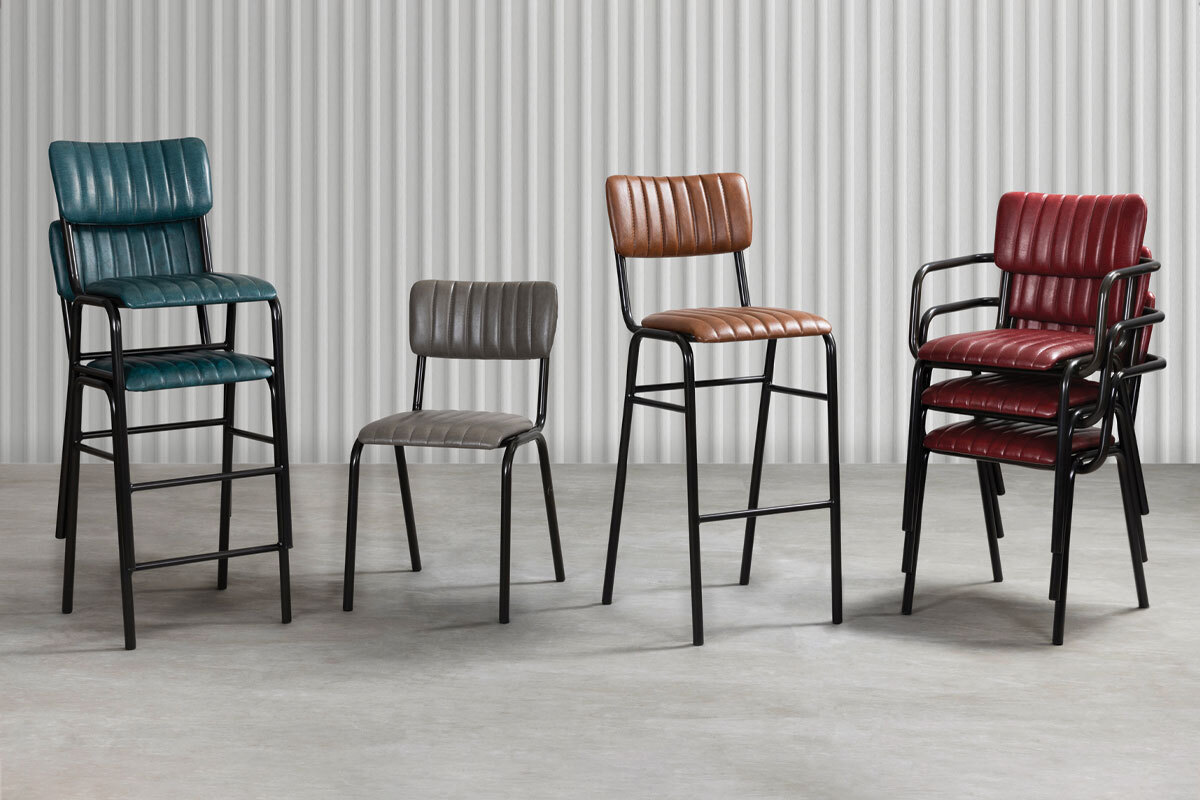
The Hybrid Approach: The Best of Both Worlds
You don't always have to choose one or the other. Many venues use both types of seating for different areas:
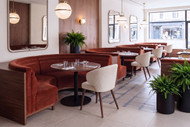
- Core Floor Plan: Specify plush, non-stackable armchairs or fixed banquette seating for main dining areas where guests remain seated for extended periods.
- Flexible Capacity: Keep a complementary set of stylish contract-grade stackable chairs in storage. These can be deployed quickly during peak trading periods, holiday rushes, or large group reservations to add temporary capacity without permanently filling the floor.
Need Help Choosing Commercial Chairs?
Not sure whether stackable or non-stackable chairs are right for your venue? Our team can help you compare styles, materials, storage requirements and layout options.
Get expert advice tailored to your space:
Call: 01452 336 520
Email: sales@eclipsefurniture.co.uk
Request a free consultation: Fill in our quick contact form
Frequently Asked Questions
How high can you safely stack commercial stackable chairs?
Most contract-grade stackable chairs can be safely stacked 4 to 10 chairs high, depending on the frame design and material. Always check the manufacturer guidelines, as over-stacking can strain chair frames or pose a tipping hazard in busy service areas.
Are non-stackable chairs more durable than stackable chairs?
Non-stackable chairs often have an edge in long-term frame preservation simply because they are rarely moved in bulk or stacked together, reducing paint chips and scuffs over time. However, high-quality contract-grade stackable chairs feature powder-coated frames or contract-grade finishes and protective under-seat bumpers specifically engineered to withstand daily friction and handling.
Do comfortable stackable chairs exist for high-end dining?
Yes. Modern commercial seating design has advanced significantly beyond basic utility chairs. Many high-end contract stackable chairs now feature slim upholstered seat pads, tactile finishes, and ergonomic moulded backs that provide solid guest comfort without sacrificing storage flexibility.
How do I know how many extra chairs my venue floor plan can accommodate?
A general rule of thumb for commercial dining layouts is allowing roughly 1.2 to 1.4 square metres per seat for comfortable service pathways, keeping main corridors cleared for staff. Using compact, low-profile table bases alongside stackable or banquette seating allows you to squeeze in extra covers without creating bottlenecks on the floor.