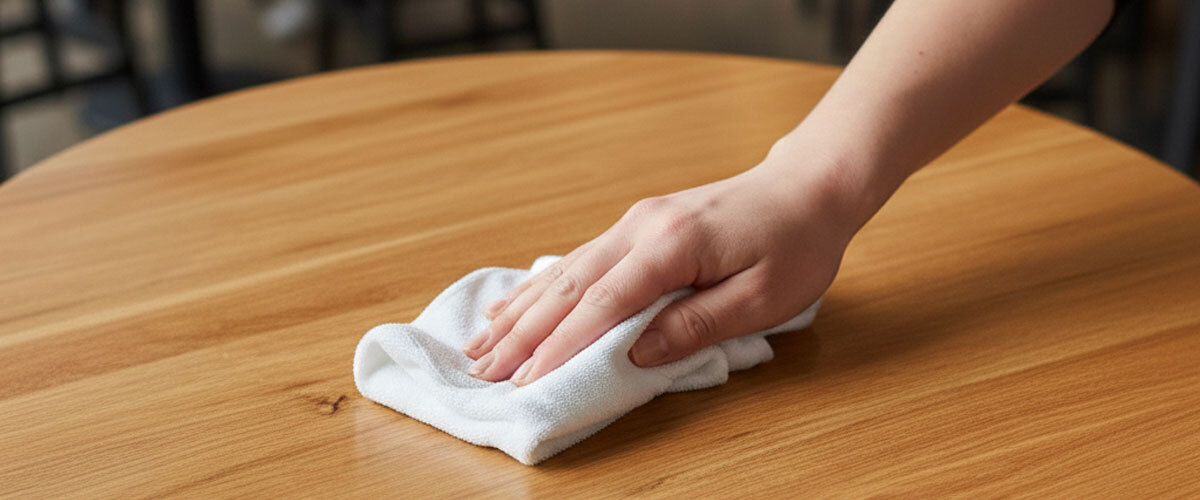
The Importance of Proactive Maintenance
At Eclipse, all our furniture is designed for use in commercial environments. It’s engineered to be stable, safe, and sturdy, but to keep it looking and performing its best, it needs regular care and maintenance.
When it comes to furniture, first impressions count - it’s often the first thing guests see before enjoying your hospitality, so to preserve your brand image and keep those reviews positive, your chairs and tables should always be clean and well maintained. Your customers should feel safe, supported, and impressed with your stylish choices.
It’ll also save you money, as by cleaning and maintaining correctly will increase the longevity of your commercial furniture, preventing costly repairs or premature replacements. It’s also important for warranty compliance - warranties often require proof of proper care. If this can’t be shown then any warranty could become invalid.
Indoor Furniture Care & Cleaning
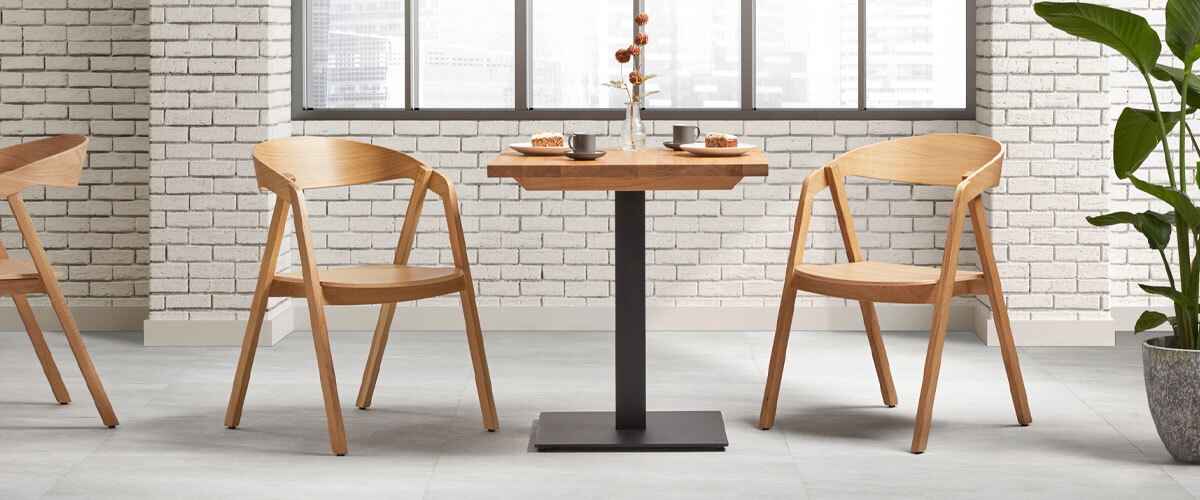
Indoor Wooden Chairs & Tables
• Clean: Dust regularly with a dry lint-free cloth to prevent build-up of grit that can scratch the finish. Clean up any spills straight away with a soft cloth. Don’t rub, as this can spread the spill and push it into the finish of the wood. For a deeper clean, wipe using a damp cloth with a solution of warm water and mild dish soap. Immediately dry with a soft cloth, wiping with the grain of the wood.
• Protect: Guard against heat and moisture on table tops by using coasters and placemats under glasses, cups, and hot dishes. Place furniture away from direct sunlight to prevent fading and away from heat sources such as radiators or fireplaces to avoid cracking and warping.
• Repair & Maintain: Regularly check for loose screws, bolts, and joints - tightening them to maintain the furniture’s stability and safety. Apply a wax or polish every 6-12 months to keep the finish looking fresh.
• DO NOT use any sanitisers or other aggressive cleaning products (e.g. D10) and avoid silicone-based polishes
• DO NOT use any hard brushes, scouring pads, or other abrasive materials
• DO NOT place hot pans or dishes directly onto a wooden table top
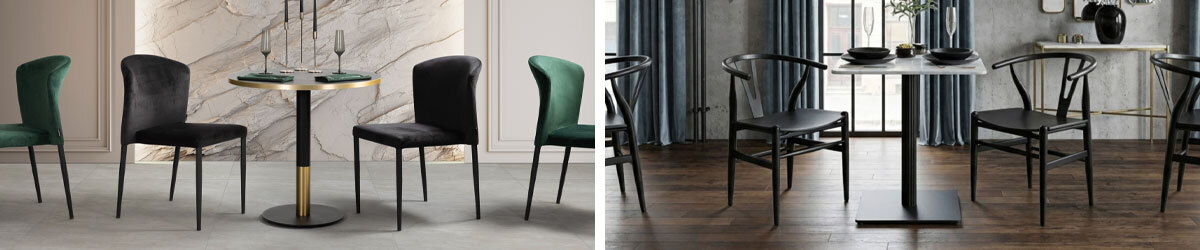
Laminate (HPL & MFC) Table Tops
• Clean: Wipe spills immediately with a soft cloth to prevent staining. Clean with a non-abrasive damp cloth and a solution of warm water and mild dish soap. For textured surfaces, use a gentle nylon bristle brush to remove deep-set dirt. Always dry the surface after cleaning to avoid water marks.
• Protect: Use placemats under hot dishes and coaster under drinks to guard against heat and moisture. Avoid leaving wet items or condensation rings on the surface for extended periods. Also make sure you lift items on the table top rather than dragging them across the surface to prevent scratches. Take care to protect edges from impact and moisture, as these areas are the most vulnerable.
• DO NOT use aggressive cleaning products, furniture polishes, or waxes
• DO NOT use any hard brushes, scouring pads, or other abrasive materials
• DO NOT use steam cleaners, as heat and moisture can damage the surface finish
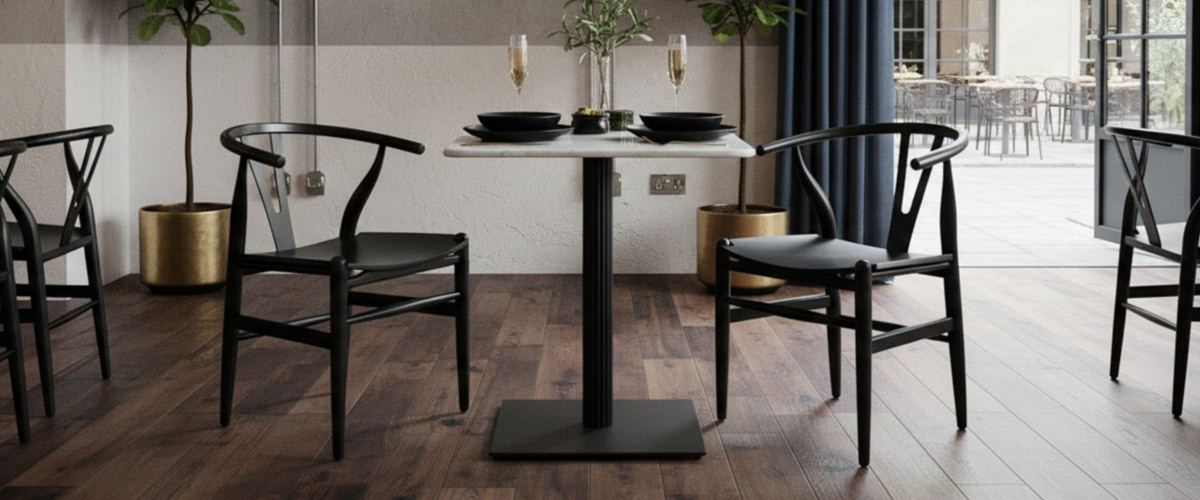
Genuine Marble Table Tops
As a natural material, marble is inherently strong and durable but needs looking after to maintain its striking finish. There are three main ways in which a marble table top can be damaged:
Scratching: Though significantly harder than wood, marble can still be susceptible to scratching. The common causes are items with sharp points, unglazed ceramic bottoms, or coarse edges.
Staining: Spills are inevitable, but staining is not. The most common cause of light staining is when hot beverage pots - like tea or coffee - are placed directly on the marble. The heat and weight can force spilt liquid to penetrate even the strongest sealant.
Etching: Acid is the greatest enemy of a polished marble surface. Exposure to common commercial liquids - including wine, soda, and vinegar - will cause a chemical reaction with the stone’s natural calcium. This results in an etch mark, which appears as a dull ring or spot where the shine has been removed.
• Clean: Blot spills immediately, but don’t wipe or scrub, as this can drive the liquid deeper into the stone. Wipe down the table, daily, with a soft microfibre cloth and use a solution of warm soap and water for general cleaning. Always dry thoroughly to prevent streaks. Always use a dry, soft cloth every time you clean. Change the water frequently during cleaning and always rinse afterwards with clean, warm water. For stubborn marks, you can use a small amount of white spirit, dabbed on with a clean, dry cloth. After the solvent has broken down the stain, wipe the area with warm, soapy water and dry immediately.
• DO NOT use acidic or multi-purpose cleaners as they will react with the calcium carbonate in the marble and cause ‘etching’
• DO NOT use any hard brushes, scouring pads, or other abrasive materials
• DO NOT use bleach or furniture polish as they can leave a dull, greasy film on the stone
• Protect: Use coasters under glasses, cups, or bottles and placemats or trivets under any hot items being placed on the marble.
• Seal: Our White Carrara Marble Table Tops arrive pre-treated with a professional-grade sealant, offering protection for commercial use. This sealant penetrates the stone, clogging its natural pores to significantly reduce liquid absorption and extend your window for spill clean-up. It is important to note that this protects within the stone and is not a surface coating. It resists staining but will not prevent surface etching from acids. Every 6-12 months, you should reseal your marble top to prevent stains and prolong its life. Please ensure that the sealant is specifically designed for use with solid marble and always follow the instructions.
Indoor Metal Chairs & Table Bases
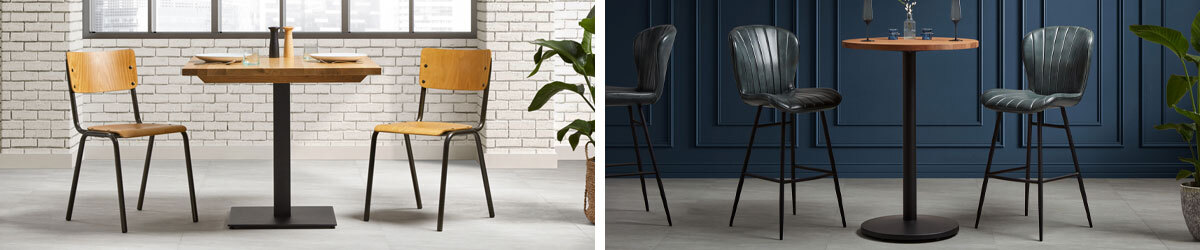
Powder-Coated Steel
• Clean: Wipe regularly with a soft, dry cloth to prevent abrasive build-up. For deeper cleaning, use a mild soap solution and a soft cloth or sponge.
• Protect: Promptly wipe up any spills and completely dry to avoid marks or discolouration. Also inspect the finish occasionally and touch up any chips or scratches to stop the exposed metal from degrading. It is not recommended to use steel furniture in coastal locations within 5 miles from the sea, as the salt in the air and salt spray breaks down the steel’s protective finish very quickly.
• DO NOT use harsh chemicals like bleach, ammonia, or alkaline detergents
• DO NOT use wire brushes, steel wool, or abrasive scouring pads
• DO NOT allow rust to spread - if you find any, treat it immediately
Powder-Coated Aluminium
• Clean: Use a soft cloth and mild soapy water for cleaning. Dry afterwards to avoid water spots and streaks.
• Protect: Wipe away oily spills immediately. Oils from food or fingerprints can sit on the powder coating and become harder to remove the longer that they are left. Also periodically check the feet of chairs and table bases, as if they wear down the metal can scrape against hard floors, causing damage.
• DO NOT bleach or ammonia based cleaners, as they can chemically attack the powder coating
• DO NOT use wire brushes, steel wool, or abrasive scouring pads
• DO NOT use steam cleaners, as excessive heat can soften the powder coating or trap moisture under the finish
Cast Iron
• Clean: Use a soft cloth, brush, and mild soapy water for cleaning, particularly on the rougher texture.
• Protect: Inspect for rust regularly. If surface rust appears, use a fine sandpaper or wire brush to remove the rust spot gently. Apply a maintenance wax or oil to any area where the finish has been compromised by rust or scratches.
• DO NOT leave the furniture wet. Always dry thoroughly after cleaning to prevent rust
• DO NOT allow rust to spread - treat it immediately
• DO NOT use abrasive cleaners that will break down the paint or protective coating
Indoor Upholstery
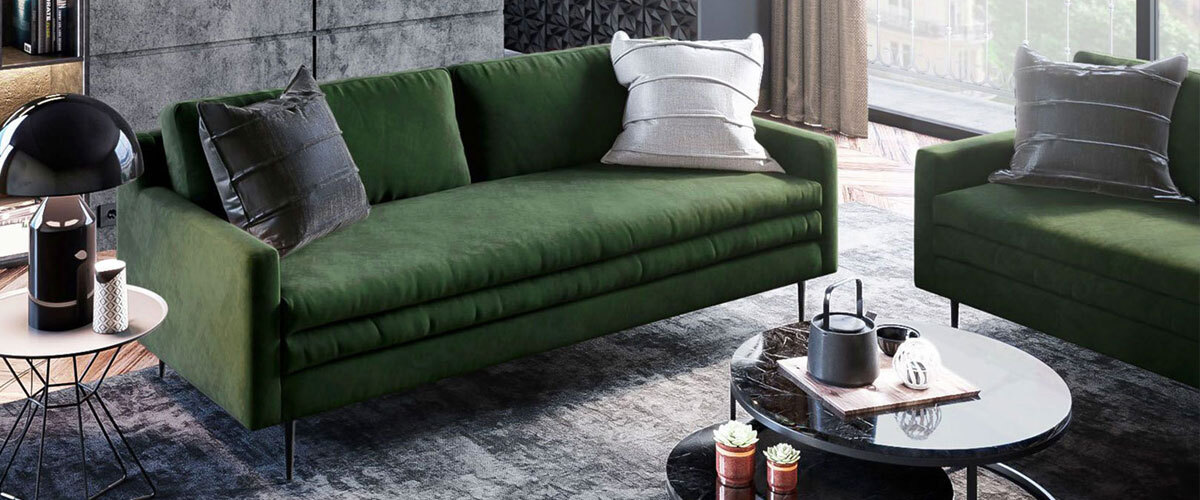
Fabric
• Clean: Vacuum weekly with an upholstery brush attachment to remove loose dirt. If spills happen, act immediately! The longer they’re on the fabric, the higher the chance of a permanent stain. Don't rub or scrub - blot the spill gently with a clean, dry cloth or paper towel, working from the outside edge of the stain toward the middle. You should schedule a professional deep clean at least once a year to extract embedded grime and sterilise the fabric.
• Protect: Place furniture away from direct, prolonged sunlight and excessive heat sources to prevent the fabric from fading or and the fibres weakening or becoming brittle.
• Repair & Maintain: Flip and rotate reversible cushions regularly to ensure even wear and maintain their shape.
• DO NOT use harsh chemicals or abrasive cleaners as they can degrade the integrity of the fabric
• DO NOT machine wash any removable covers or fabric as this may affect the fire-retardant properties
• DO NOT over-wet fabric as excessive moisture can damage the internal cushion, cause the fabric to shrink, or lead to mould and mildew growth beneath the surface
Faux Leather
• Clean: Wipe down surfaces with a soft cloth and warm water. For deeper cleaning, use a solution of mild soap and warm water. Rinse the area with clean water immediately afterward and dry thoroughly. Blot all spills immediately with a dry cloth. If you wish to disinfect the seating, make sure you use a commercial disinfectant specially formulated for vinyl/PU upholstery.
• Protect: Avoid putting the furniture in strong sunlight or near strong heat sources, as this will accelerate the drying and cracking process. You can apply a non-petroleum based vinyl or PU protectant every few months to maintain suppleness and prevent the materials from drying out and cracking.
• DO NOT use bleach or alcohol-based sprays as this will cause the material to dry out and crack
• DO NOT use any hard brushes, scouring pads, or other abrasive materials
• DO NOT furniture polish, wax or oil-based products, as these can make the faux leather sticky and brittle
Genuine Leather
• Clean: Dust and vacuum regularly with a soft cloth or soft brush attachment. You can wipe the leather with a slightly damp clean cloth to remove superficial dirt. Immediately dry the surface with a soft cloth. Do not rub or scrub spills - instead, blot straight away with an absorbent white cloth, gently moving from the outside of the spill to the centre. For oil and grease stains, use a small amount of baking soda or corn-starch dusted over the stain. Let it sit for several hours to absorb the oil, then gently wipe away.
• Protect: Place leather furniture at least two feet away from direct heat sources and windows with direct sunlight, as this will protect against the leather fading, stiffening and cracking. Apply a high-quality commercial leather conditioner every 6-12 months to keep the leather supple and prevent it from drying out.
• DO NOT use stiff brushes or sharp vacuum attachments, as they can damage the leather
• DO NOT use harsh chemicals, solvents, or ammonia based cleaners as they will dry out the leather
• DO NOT use excessive water, as it could create water marks and stiffen the material
Outdoor Furniture Care & Cleaning
Outdoor Wooden Furniture
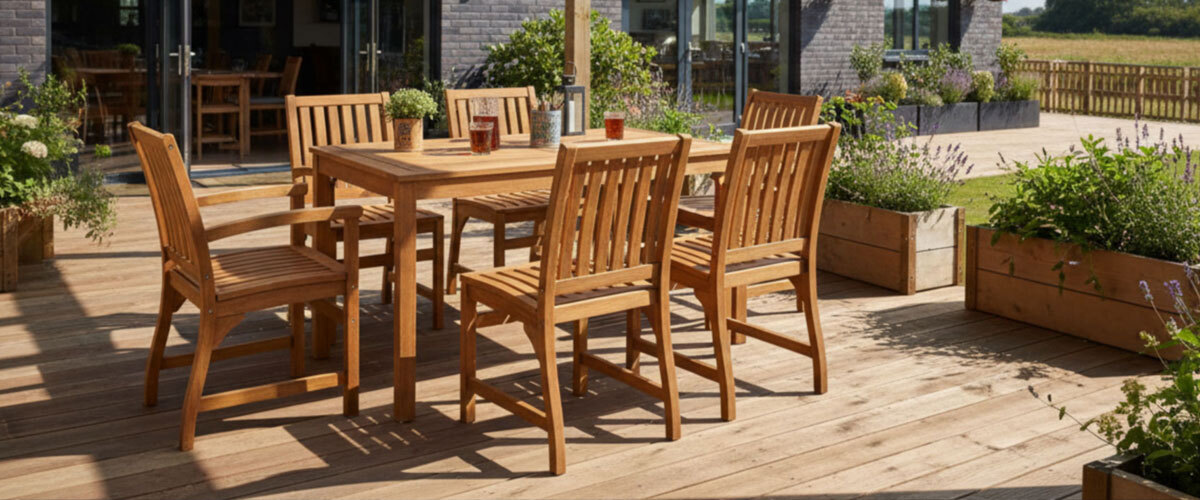
• Clean: Wash wooden furniture every month with a mild soap and warm water solution and a soft bristle brush or cloth. For stubborn stains and mildew, use a specialised wood cleaner. After cleaning, rinse residue thoroughly with clean water and allow furniture to dry completely before covering it.
• Protect: Ensure the furniture is placed on a hard, drained surface or use risers to keep the wood slightly elevated. Don’t place wooden furniture on soil or grass for long periods, as this will cause the wood to rot. Reapply a protective finish (oil, stain, or sealant) every so often, depending on the wood type and climate. Guard against heat and moisture on table tops by using coasters and placemats under glasses, cups, and hot dishes.
• Repair & Maintain: Regularly check for loose screws, bolts, and joints - tightening them to maintain the furniture’s stability and safety.
• DO NOT use abrasive materials or stiff brushes as they will scratch the wood’s finish
• DO NOT use chlorine bleach on wooden furniture as it can damage the fibres and cause screws to rust
• DO NOT cover the furniture while it’s still damp, as this will trap moisture and promote mould and mildew growth
• DO NOT drag or slide the furniture across external surfaces as this can damage the feet and weaken joints
Outdoor Metal Chairs & Table Bases
Powder-Coated Steel & Aluminium
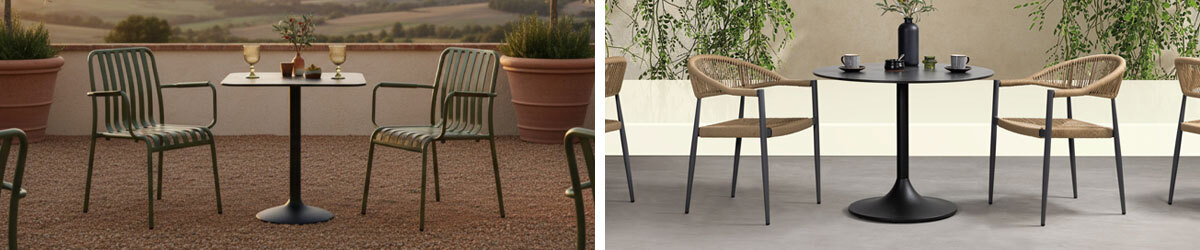
• Clean: Wash regularly with a solution of mild soap and warm water using a soft cloth or sponge. Rinse all detergent residue thoroughly and dry the surface completely with a soft cloth to prevent water spots.
• Protect: Inspect the frame from time-to time for chips and scratches in the coating. Touch up these areas with a specifically designed paint for metal. You could consider applying a layer of non-abrasive car wax with UV protection every few months to enhance the shine and protect against weathering. It is not recommended to use steel furniture in coastal locations within 5 miles from the sea, as the salt in the air and salt spray breaks down the steel’s protective finish very quickly.
• DO NOT use strong chemical solvents or cleaners containing bleach or ammonia
• DO NOT use wire brushes, steel wool, or abrasive scouring pads as they will scratch the coating
• DO NOT allow water to sit on the furniture, as this could potentially cause rusting and corrosion
Aluminium (Non-Coated, Brushed, or Polished)
• Clean: Clean regularly with a soft cloth and a mild liquid dish soap solution to remove surface dirt contaminants. To remove mineral spots or the chalky appearance of light oxidation, use a solution of equal parts white vinegar and water or a specialised aluminium cleaner.
• Protect: Apply a quality aluminium polish or wax occasionally to non-coated, polished frames to restore lustre and provide a barrier against the elements.
• DO NOT use highly alkaline or acid cleaners as they can cause a chalky finish due to oxidisation
• DO NOT use wire brushes, steel wool, or abrasive scouring pads as they can ruin the grain pattern
• DO NOT use chlorine-based cleaners or bleach, as they are highly corrosive to aluminium
EKO Table Tops & Planters
• Clean: Remove any food and drink residue as soon as possible to avoid staining. Wash regularly with a solution of mild soap and warm water using a soft cloth or sponge.
• Protect: Placing reflective items such as glasses directly on this product may intensify the sun’s rays and cause damage to the surface. To avoid this always use a protective pad or covering. Avoid leaving hot BBQ tools or other hot items directly on this product as this will melt the table top.
• DO NOT use strong chemical solvents or cleaners containing bleach or ammonia
• DO NOT use wire brushes, steel wool, or abrasive scouring pads as they will scratch the coating
• DO NOT put near direct sources of heat such as a BBQ or patio heater as excessive heat could cause melting
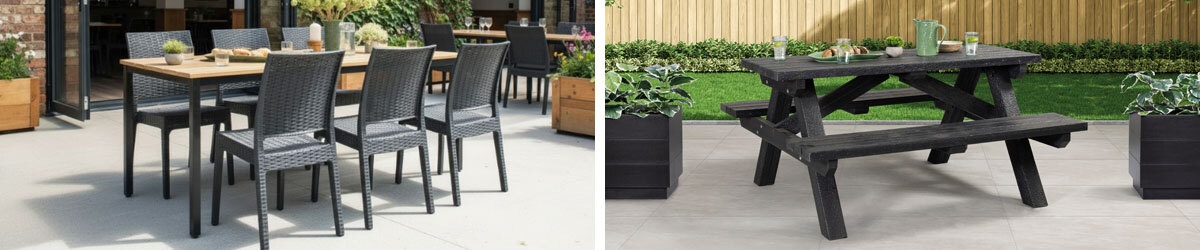
Recycled Plastic Benches
• Clean: Clean regularly with a soft cloth and a mild liquid dish soap solution to remove general dirt and grime. You can use antibacterial sprays or disinfectants to sanitize the bench, and for thorough cleaning you can use a pressure washer on a low setting with a wide-angle nozzle.
• Protect: Every so often, inspect the screws, bolts and fasteners, tightening any that have become loose.
• DO NOT use wire brushes, steel wool, or abrasive scouring pads as they scratch and dull the surface
• DO NOT use harsh solvents, as these can chemically damage the plastic
• DO NOT cover or store the bench while wet as this can encourage mould and mildew growth
Polypropylene Furniture
• Clean: Wash the furniture regularly with a solution of mild soap and warm water. This will prevent dirt, dust, and pollen from embedding in the surface. For a deeper clean, a soft bristle brush or a sponge can be used to scrub the surface, especially areas where dirt can collect. For tough stains or mildew, you can use a gentle all-purpose cleaner, making sure you rinse thoroughly after cleaning.
• Protect: Place furniture away from extremely high heat sources such as grills or fire pits, as polypropylene can soften or melt at high temperatures. Always lift rather than drag or slide the furniture to avoid wearing down the feet or legs.
• Repair & Maintain: Regularly check for loose screws, bolts, and joints - tightening them to maintain the furniture’s stability and safety.
• DO NOT use abrasive cleaners or strong solvents as they can cause the material to soften or discolour
• DO NOT use heavy detergents or degreasers as they can strip away any UV protective layer
• DO NOT use pressure washers. The focused stream of water can damage the surface finish
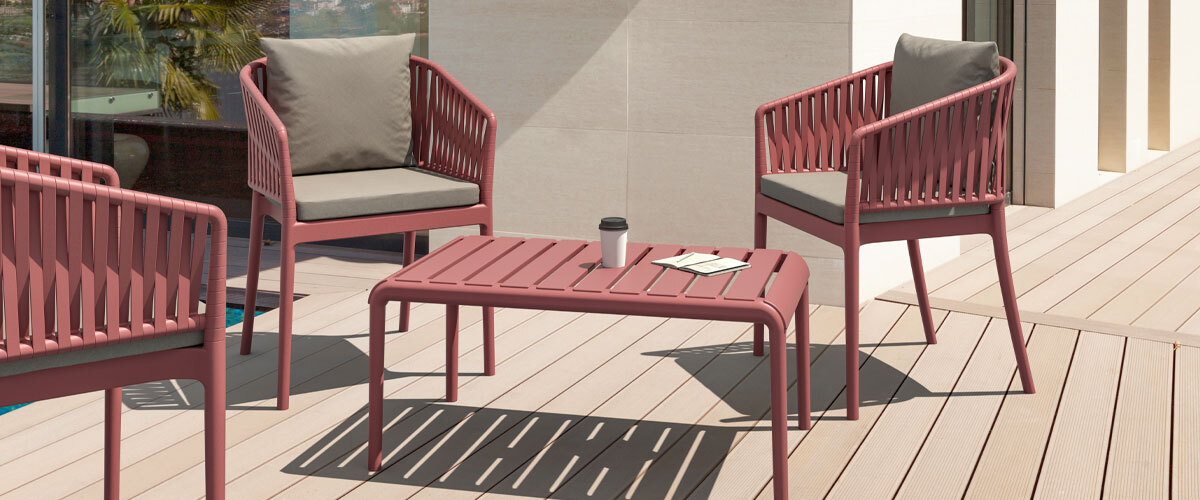
Synthetic Woven Chairs & Tables
• Clean: Wash with warm water and mild detergent, using a soft brush to penetrate the cracks and hose down lightly to remove excess detergent. After cleaning, tilt the furniture to ensure all water drains out of the seats and crevices.
• Protect: Mould or mildew can be addressed by using a diluted solution of 1 part bleach to 10 parts water. Apply, let sit for a few minutes, gently scrub the area, and rinse thoroughly immediately.
• Storage: Outdoor furniture with water-resistant fabrics should be stored inside when not in use, to avoid attracting mould.
• DO NOT use abrasive cleaners or strong solvents as they can dull the surface and cause cracking
• DO NOT use a power washer on a high setting. This can damage the weave and distort the fibres
• DO NOT drag the furniture, as this can snag the weave or wear down the legs, exposing the aluminium frame
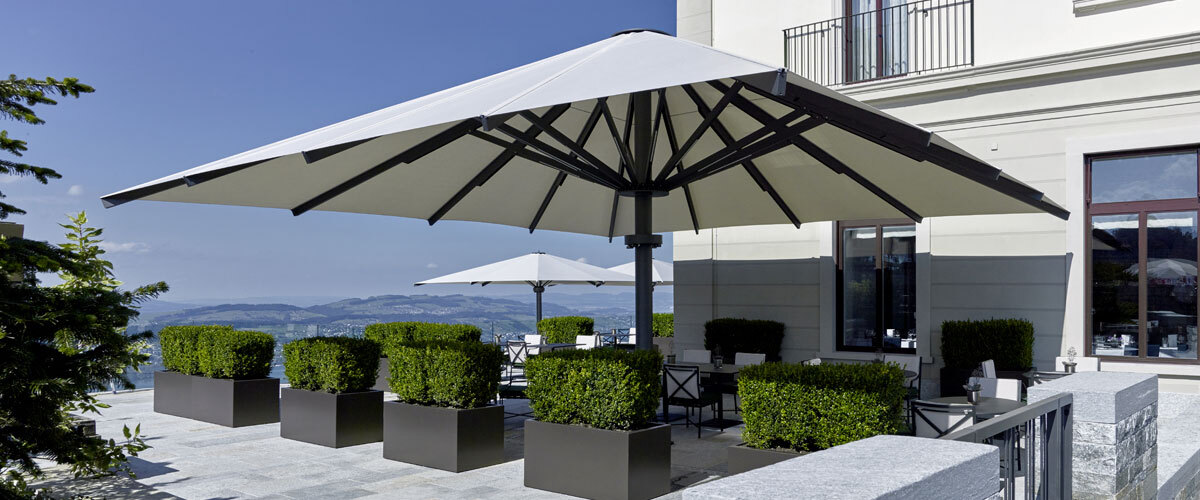
Parasols & Jumbrellas
• Clean: Brush off loose dirt, dust, and debris regularly and deep clean the canopy twice a season using solution of warm water and mild, pH-neutral dish soap. The canopies of our parasols can be gently machine-washed if necessary.
• Protect: Always allow the parasol fabric to completely dry while open before closing and storing. Dampness will encourage mould and mildew. When not in use, cover to protect from dust, bird droppings, UV exposure, and moisture build-up. It’s also advisable not to put the parasol under a tree, as tree sap can attract dirt and be very difficult to remove.
• Safety: In high winds, always close and secure the parasol immediately, as they can cause damage to the canopy, bend the frame, or cause injury and damage. Ensure the weighted base is sufficient for the size of parasol.
• Repair: Please contact us if your parasols or jumbrellas are in need of repair, we’ll be happy to help.
• DO NOT use bleach, aggressive degreasers, or strong multi-purpose cleaners as they can strip the fabric’s protective UV and water-repellent coating
• DO NOT use abrasive tools such as steel wool, wire brushes, or scouring pads on the fabric or the pole
• DO NOT tie the closed fabric too tight, as this can crease the fabric and cause premature wear or stretching where the strap meets the canopy
Moving & Storing Furniture
• Lift don’t drag: Correctly lifting and moving furniture will not only save you from injury, but protect its joints and frames, maintaining stability and safety. It will also preserve any special finishes, which can be damaged if scraped against the floor. Always lift tables by their bases, not their tops.
• Stacking furniture: Don’t stack chairs or tables that aren’t designed for that purpose, as this can lead to damage or injury. When chairs and tables are designed to stack, we recommend that you don’t stack them too high. See our website or contact us for more information on specific products.
• Folding tables: Store tables vertically (on their edges) rather than lying flat. If stored flat, they are much harder to access, and the weight could cause warping over long periods.
• Cushions: We recommend storing cushions for outdoor furniture indoors or in a dry storage box when not in use to protect them from moisture and weather damage.
• Storage environment: Store all furniture in a clean dry area, and keep it a few inches away from the perimeter walls of the storage unit to allow air to circulate and prevent condensation damage.
Need Some Help?
If your furniture is in need of repair or its cleaning is too difficult to carry out in-house, then it’s always advisable to contact a professional, who can give you the right advice.
If you have any further questions about care and maintainence or the warranty on your furniture, please contact us and we’ll be pleased to help.
FAQs
Can I use antibacterial sprays or sanitisers on my wooden furniture?
While hygiene is a priority in hospitality, many standard antibacterial sprays and "D10" sanitisers contain harsh chemicals that can strip the protective lacquer from wooden surfaces, leading to stickiness or cracking. We recommend using a soft cloth dampened with a mild detergent solution (such as dish soap and warm water) for regular cleaning. For high-traffic areas requiring disinfection, always test a small, inconspicuous area first or use a specialist furniture-safe sanitiser that specifies it is safe for acid-catalyst lacquers.
How often should I check the fixings on my commercial chairs and tables?
In a high-traffic commercial environment, furniture undergoes significantly more stress than domestic pieces. To ensure customer safety and maintain your warranty, we recommend a monthly inspection of all screws, bolts, and joints. Look for any slight wobbles or loose fixings and tighten them immediately.
How can I extend the lifespan of my outdoor furniture during the winter?
To get the best return on your investment, we recommend a 'clean and cover' strategy. Before the winter months, clean all metal, wood, or plastic furniture to remove salt and grit that can cause corrosion. If you cannot store the furniture indoors, use heavy-duty, breathable furniture covers and, where possible, stack chairs and tilt tables to prevent water from pooling on the surfaces. For wooden outdoor furniture, applying a fresh coat of approved timber oil at the end of the season will provide a vital barrier against frost and moisture.
What is the best way to remove deep stains from commercial upholstery?
Speed is key - always blot spills immediately with a clean, dry cloth rather than rubbing, which can push the stain deeper into the fibres. For deeper stains, check the specific manufacturer’s cleaning code (usually found on a label under the seat). Most commercial fabrics are 'W' (water-based cleaner) or 'S' (solvent-based cleaner). We recommend a professional steam clean or hot water extraction every 6-12 months to remove deep-seated dirt and allergens that regular vacuuming cannot reach.