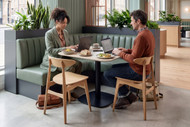
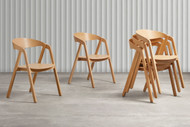
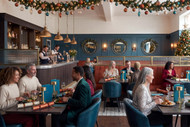
The hospitality industry thrives on creating inviting experiences for guests. Whether it's a luxurious hotel lobby, a trendy cafe, or a family-friendly restaurant, the furniture plays a crucial role. But for these high-traffic areas, regular furniture just won't cut it. That's where contract furniture steps in.
What is Contract Furniture?
Furniture designers create contract furniture for commercial spaces such as hotels, restaurants, cafes, bars, and offices. This furniture can withstand heavy use, frequent cleaning, and everyday wear and tear. This sets it apart from the furniture you would find in a home.
Why Choose Contract Furniture?
Here's why contract furniture is the ideal choice for your hospitality space:
- Durability: Made with stronger materials and construction techniques, contract furniture lasts longer.
- Comfort: Designed for extended use, contract furniture prioritizes comfort for both staff and guests.
- Variety of Styles: From classic to modern, contract furniture comes in various styles to match your venue's design.
- Easy Maintenance: Often made with stain-resistant fabrics and easy-to-clean surfaces, contract furniture simplifies maintenance.
- Fire Safety: Contract furniture typically meets stricter fire safety regulations for commercial spaces.
- Warranties: Many reputable manufacturers offer warranties on their contract furniture, providing peace of mind.
Choosing the Right Contract Furniture:
Selecting the perfect contract furniture requires considering several factors. Here's a breakdown to guide you:
Know Your Space:
- Function: Is it a restaurant for long meals, a cafe for quick bites, or a hotel lobby for relaxation?
- Traffic Flow: High-traffic areas need extra durable furniture.
- Space Optimization: Consider furniture that can be easily rearranged or stacked for space efficiency.
Prioritize Durability:
- Materials: Opt for stain-resistant fabrics, scratch-resistant surfaces, and sturdy frames.
- Construction: Look for reinforced joints and high-quality materials.
- Warranty: Choose furniture with a comprehensive warranty.
Ensure Comfort:
- Ergonomics: Invest in chairs with proper back and lumbar support for extended sitting.
- Seating Height: Consider the appropriate seat height for different purposes (e.g., bar stools vs. dining chairs).
- Material Comfort: Opt for breathable and pleasant-to-the-touch upholstery.
Aesthetics and Branding:
- Cohesive Design: Select furniture that complements your overall design scheme.
- Brand Identity: Use furniture to reinforce your brand personality through colors, patterns, and styles.
- Customization: Explore customization options like fabric choices, stain colors, or logos to personalize your furniture.
Additional Considerations:
- Maintenance Needs: Choose furniture with easy-to-clean surfaces to minimize cleaning time.
- Budget: Set a realistic budget and consider the cost-benefit analysis of different options.
- Sustainability: Look for furniture made from eco-friendly materials or recycled content.
Types of Contract Furniture for Your Hospitality Space:
Seating:
- Restaurant Chairs: Comfortable and durable chairs that come in various styles (armchairs, booths, etc.) for different dining experiences.
- Bar Stools: Available in various heights and styles to suit your bar area's ambiance.
- Lobby Seating: Sofas, armchairs, and ottomans that create inviting conversation areas.
- Cafe Chairs: Stackable or lightweight chairs that optimize space in cafes.
Tables:
- Restaurant Tables: Sturdy tables in various sizes and shapes to accommodate different group sizes.
- Bar Tables: High tables designed for socializing and casual dining at the bar.
- Cafe Tables: Compact tables with a focus on space efficiency.
- Lobby Tables: Coffee tables and side tables for placing drinks or reading materials.
Investing in Quality Contract Furniture
Choosing high-quality contract furniture from a reputable manufacturer offers numerous advantages:
- Reduced Long-Term Costs: Durable furniture minimizes replacement needs, saving money in the long run.
- Improved Guest Experience: Comfortable and well
FAQs
What is the main difference between contract furniture and domestic furniture?
The primary difference lies in durability, safety standards, and intended usage. Domestic furniture is designed for light, occasional use in private homes, whereas contract furniture is engineered specifically for high-traffic commercial environments such as hotels, bars, restaurants, and cafes. Contract furniture features reinforced frames, scratch-resistant finishes, heavy-duty upholstery, and strict fire retardancy compliance to withstand continuous daily wear and frequent cleaning.
What fire safety standards must hospitality contract furniture meet?
In the UK, contract furniture for commercial hospitality venues must comply with strict UK Fire Safety Regulations (BS 7176). While domestic furniture only needs to pass Source 0 (cigarette) and Source 1 (match) tests, commercial hospitality spaces generally require fabrics and fillings certified to Crib 5 (Medium Hazard) standards. This ensures the furniture is fire retardant and self-extinguishing in public settings.
Why is contract furniture more cost-effective for commercial venues over time?
Although contract furniture often carries a higher upfront cost than domestic options, it is significantly more cost-effective in the long run. Because it is built with high-grade commercial materials and reinforced joints, contract furniture resists wear and tear, reducing the need for frequent repairs or early replacements. Furthermore, many commercial ranges come backed by commercial warranties and space-saving features (such as stackable seating) that optimise venue operations.
Can contract furniture be customised to match my venue's branding?
Yes, customisable design is a core benefit of contract furniture. Hospitality venues can tailor their furniture schemes by selecting specific stain colours, frame finishes, table dimensions, and upholstery fabrics—including stain-resistant materials, wipeable vinyl, or Customer’s Own Material (COM)—to create a cohesive look aligned with their brand identity.